Choosing high-quality Seat Covers is one of the most practical ways to protect a vehicle's interior while improving driving comfort and appearance. Tianmei, an experienced automotive seat cover manufacturer, provides automotive seating solutions designed for sedans, SUVs, and commercial vehicles. By combining carefully selected materials, ergonomic design, precision manufacturing, and strict quality control, Tianmei delivers seat covers that balance durability, functionality, and modern automotive aesthetics.
Whether vehicle owners want to prevent everyday stains, reduce seat wear, refresh an aging interior, or achieve a more refined appearance, selecting the right seat protection makes a meaningful difference. Understanding material options, fitting requirements, construction quality, and maintenance considerations helps buyers make informed purchasing decisions.
Automotive seat covers serve more purposes than simply decorating vehicle interiors. They help protect original upholstery against dirt, spills, friction, pet hair, and everyday wear while supporting a more comfortable driving experience. This article explains the major benefits of seat covers, compares PVC and genuine leather materials, explores ergonomic design and fit considerations, and provides practical purchasing advice for individual vehicle owners, distributors, and automotive businesses.
1. Why Are Seat Covers Important for Modern Vehicles?
2. What Are the Main Benefits of High-Quality Seat Covers?
3. How Do Different Seat Cover Materials Compare?
4. Why Does Ergonomic Design Matter?
5. How Can Buyers Choose the Right Fit?
6. What Quality Standards Should Buyers Consider?
7. Which Vehicles and Applications Benefit Most?
8. How Should Automotive Seat Covers Be Maintained?
9. Why Consider Tianmei as Your Seat Cover Manufacturer?
10. Frequently Asked Questions About Seat Covers
Vehicle seats experience continuous use. Daily commuting, long-distance transportation, family travel, and commercial operations expose original upholstery to friction, dust, moisture, food residue, and temperature changes. Without adequate protection, these factors can gradually affect the appearance and condition of automotive seats.
High-quality seat covers provide an additional protective layer between passengers and the original upholstery. They help reduce direct contact with contaminants and minimize the visible effects of everyday use.
For vehicle owners, the benefits extend beyond cleanliness. Well-designed seat covers can also improve cabin aesthetics and help maintain the perceived condition of the vehicle interior.
Several common situations make seat protection particularly valuable:
For these reasons, choosing suitable automotive seat covers is a practical investment in interior protection and long-term vehicle care.
The value of premium seat covers comes from the combination of protective performance, comfort, appearance, and functional compatibility. A well-manufactured product should address these requirements without interfering with normal vehicle operation.
Repeated friction, dust accumulation, and accidental spills can gradually damage original upholstery. Seat covers create a protective surface that helps reduce direct exposure to these everyday conditions.
Durable materials and reinforced stitching are particularly important because they help the covers maintain their appearance and structural integrity during prolonged use.
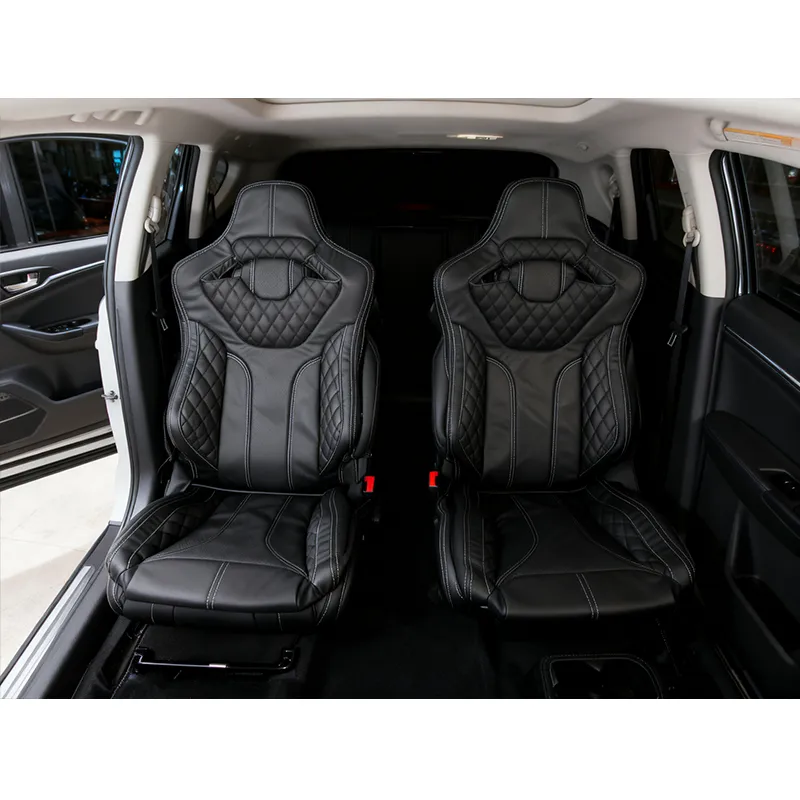
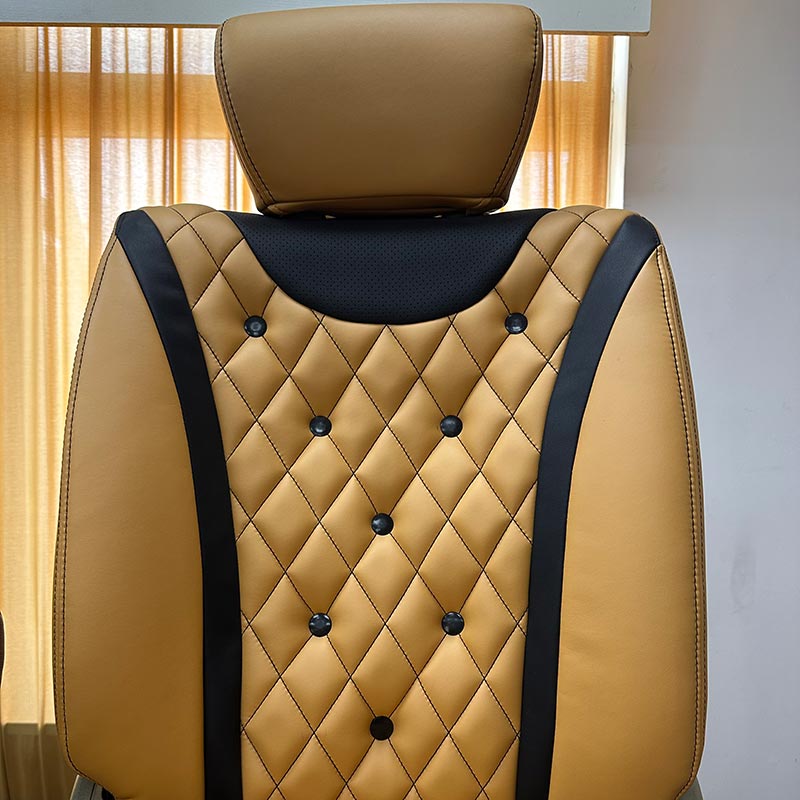
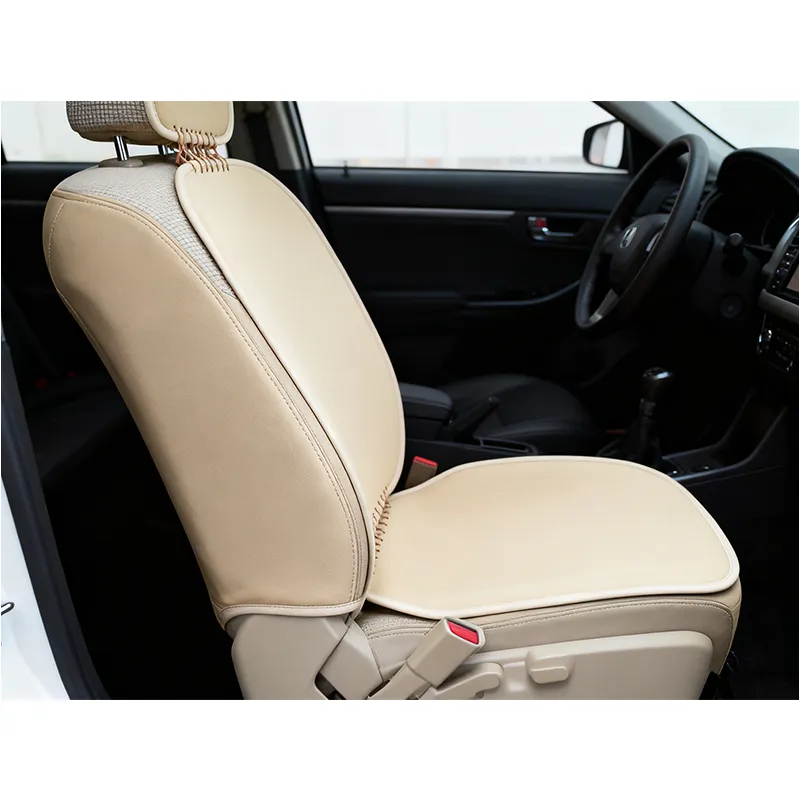
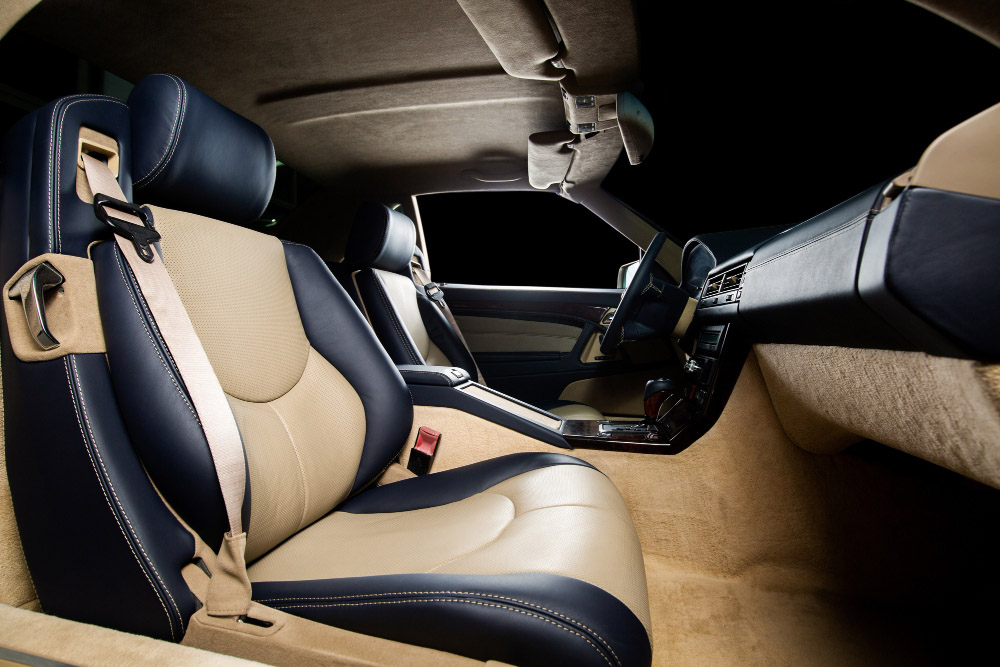
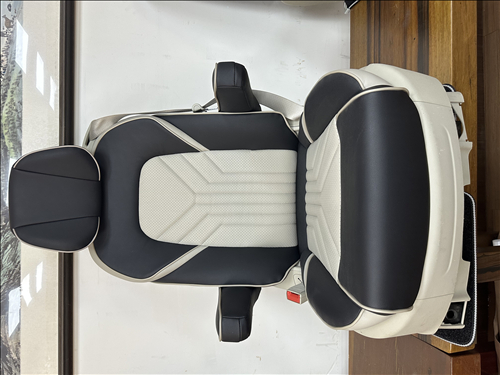
Automotive seat covers offer an effective way to update vehicle interiors without replacing the entire seating system. Modern combinations of black, beige, and other complementary colors can create a cleaner and more sophisticated appearance.
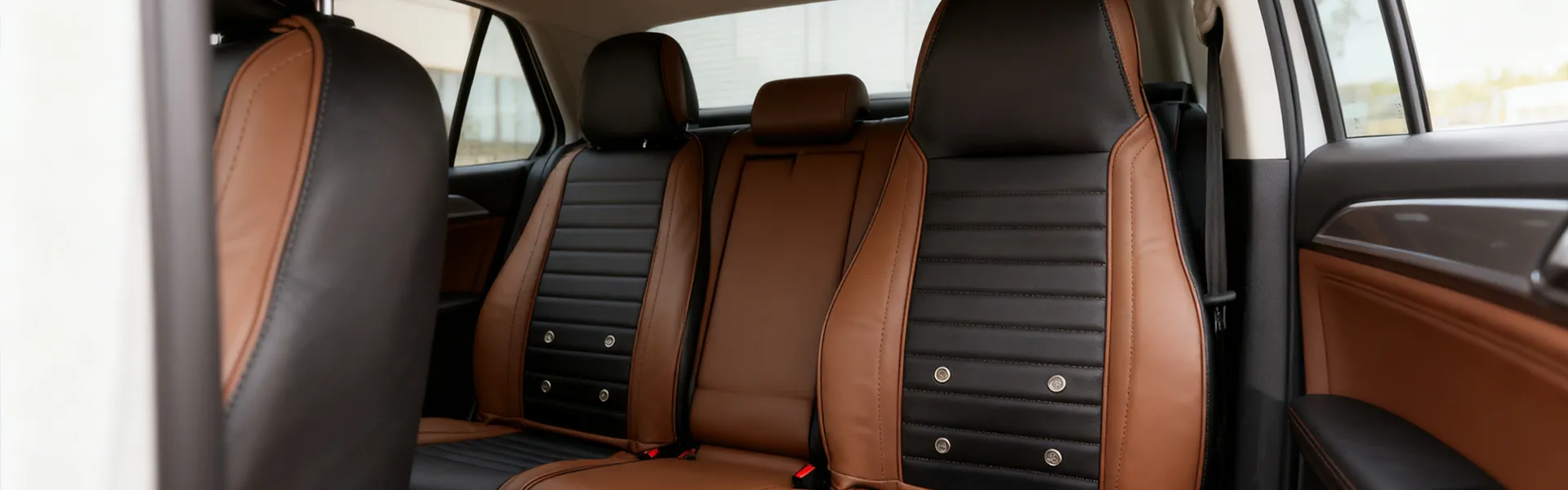
Two-tone designs are particularly attractive because they combine contrasting materials and colors to create visual depth while maintaining a coordinated interior style.
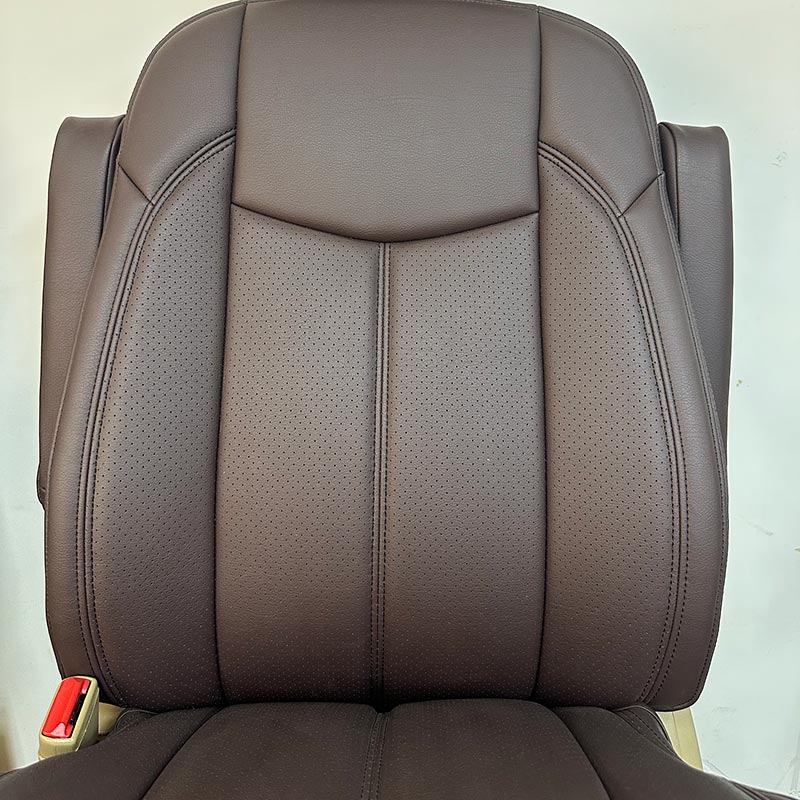
Material texture, breathability, surface softness, and seat construction all influence passenger comfort. Breathable central panels and carefully designed stitching can contribute to a more comfortable seating experience, particularly during longer journeys.
Protective covers can make routine interior maintenance easier by helping prevent dirt and minor stains from reaching original upholstery. Depending on the selected material, many surface contaminants can be removed through appropriate cleaning procedures.
Overall, the right seat covers combine protective functionality with practical benefits that support everyday vehicle ownership.
Material selection is one of the most important considerations when purchasing automotive seat covers. Different materials offer different combinations of appearance, comfort, durability, maintenance requirements, and purchasing costs.
Tianmei provides automotive seat cover solutions including PVC car seat covers and genuine leather car seat covers, allowing buyers to select products according to their application requirements and target markets.
PVC is a practical material choice for automotive interior protection. Its surface can be designed to provide a consistent appearance and convenient cleaning characteristics.
Depending on the material formulation and construction, PVC seat covers can offer:
PVC car seat covers are worth considering for family vehicles, everyday commuting, and applications where convenient maintenance is a priority.
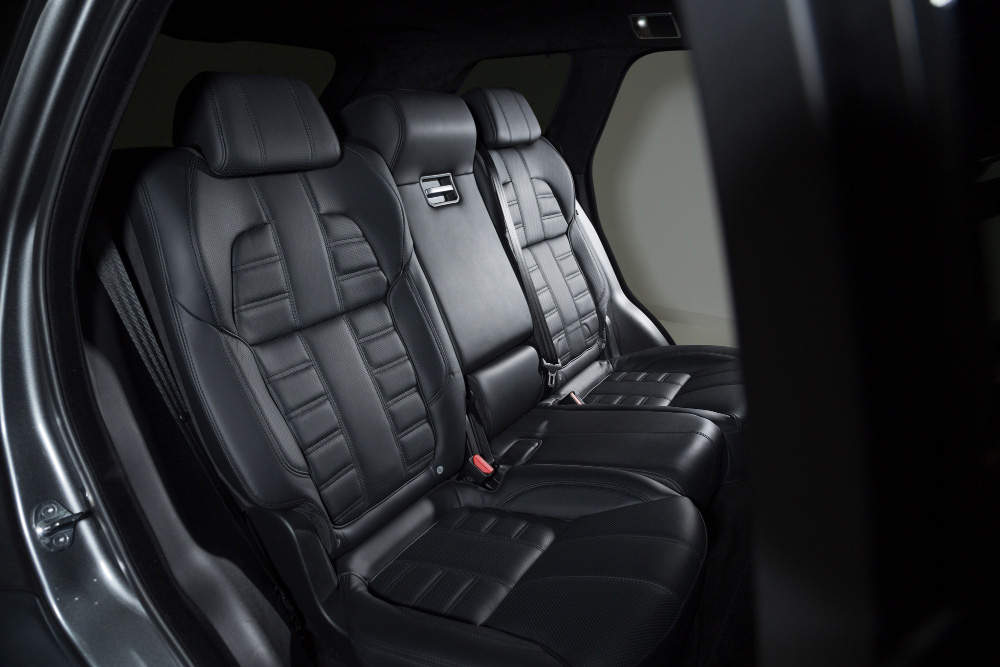
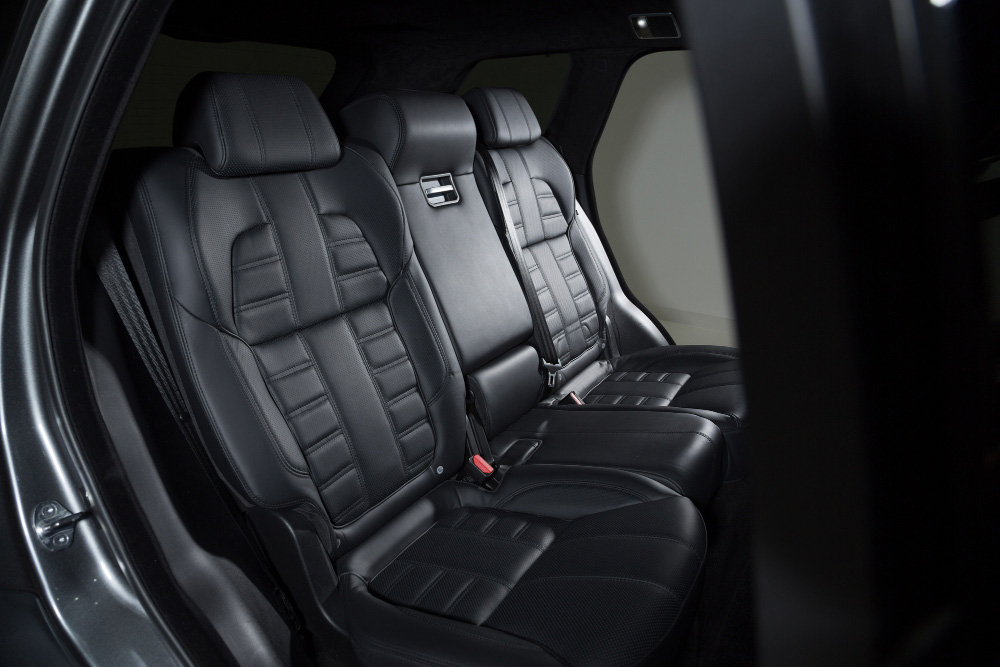
Genuine leather seat covers are frequently selected for their premium appearance, distinctive texture, and refined interior presentation. They are suitable for buyers who prioritize material aesthetics and a sophisticated automotive cabin.
Depending on leather selection and manufacturing quality, genuine leather seat covers can provide:
| Comparison Factor | PVC Car Seat Covers | Genuine Leather Car Seat Covers |
|---|---|---|
| Appearance | Clean, versatile, and available in different finishes | Premium texture and refined appearance |
| Maintenance | Generally convenient to clean | Requires suitable leather care |
| Comfort | Depends on surface texture and construction | Depends on leather quality and seat design |
| Durability | Depends on PVC formulation and manufacturing quality | Depends on leather quality, stitching, and maintenance |
| Design Options | Various colors, textures, and finishes | Premium textures and sophisticated combinations |
| Typical Applications | Daily-use vehicles and practical interior protection | Premium interiors and customers seeking refined styling |
There is no universally ideal material for every vehicle. Buyers should evaluate the expected usage environment, budget, maintenance preferences, and desired interior appearance before selecting a product.
Comfort is a fundamental consideration in automotive seating. Even premium materials cannot deliver a satisfactory seating experience if the seat cover interferes with the original seat contours or adjustment functions.
Ergonomic design helps ensure that protective seat covers complement the structure of automotive seats rather than simply covering their surfaces.
Automotive seats are designed with specific contours to support the back, hips, and thighs. Properly designed covers should follow these contours closely to maintain the original seating characteristics.
Perforated central panels and breathable fabric sections can help improve the seating experience by supporting airflow and reducing the feeling of excessive heat buildup.
Seat covers should accommodate essential seat functions, including:
Precise cutting, suitable panel construction, and accurate stitching contribute to a more natural fit. Importantly, installation must not interfere with airbags, seatbelt systems, or other safety equipment. Buyers should confirm vehicle compatibility and follow the vehicle manufacturer's safety requirements before installation.
Fit accuracy directly affects the appearance, comfort, and practical performance of automotive seat covers. A poorly fitted product may wrinkle, shift during use, or obstruct seat functions.
Before purchasing, buyers should consider the following factors:
Identify the vehicle make, model, production year, and seating configuration. Different vehicles may have different seat dimensions, headrest structures, armrest arrangements, and adjustment mechanisms.
Universal seat covers are developed for compatibility with a range of vehicle seats. They can provide a flexible solution for certain applications, although the actual fit may vary between vehicle models.
Model-specific or precisely tailored designs are developed around particular seat dimensions and structures. They generally offer better contour alignment when the vehicle specifications are accurately confirmed.
Review the installation method and verify that all necessary openings and fastening points match the original seat structure.
Consider whether the vehicle is primarily used for commuting, family transportation, commercial operations, or long-distance driving. These conditions influence the most appropriate material and construction specifications.
A practical purchasing checklist includes:
Manufacturing quality determines whether seat covers can maintain their appearance and functionality during regular use. Buyers sourcing products from automotive seat cover manufacturers should evaluate materials, workmanship, dimensional accuracy, and inspection procedures.
Quality begins with suitable raw materials. Surface consistency, flexibility, resistance to normal wear, and material stability should all be considered during product evaluation.
Stitching is essential to the structural integrity of seat covers. Uneven seams, weak thread, and poorly finished edges can affect both appearance and long-term performance.
Accurate cutting and panel alignment help ensure that seat covers follow the original seat contours. Proper dimensions also reduce unnecessary wrinkles and installation difficulties.
Professional manufacturing requires systematic inspection throughout the production process. Important inspection points include:
For international distributors and automotive product buyers, these factors help reduce sourcing risks and support consistent product quality across different orders.
Automotive seat covers are suitable for various vehicle categories. However, different applications may require different material specifications and construction priorities.
| Vehicle Type | Common Requirements | Recommended Considerations |
|---|---|---|
| Sedans | Interior appearance, daily protection, seating comfort | Precise fit and coordinated colors |
| SUVs | Family use, dirt protection, versatile functionality | Durable materials and easy maintenance |
| Commercial Vehicles | Frequent use and practical maintenance | Wear-resistant materials and reinforced stitching |
| Family Cars | Protection against spills, crumbs, and pet hair | Practical materials and convenient cleaning |
| Premium Vehicles | Interior aesthetics and refined material appearance | Genuine leather and carefully finished details |
For distributors, wholesalers, and automotive aftermarket suppliers, understanding these different applications makes it easier to develop a suitable product portfolio for their customers.
Proper maintenance helps preserve the appearance and service condition of automotive seat covers. Cleaning methods should always match the selected material and its manufacturer's care recommendations.
Regular inspection is particularly important for commercial vehicles and frequently used family cars. Early attention to minor problems can help prevent further deterioration.
Choosing a reliable manufacturer is important for businesses seeking consistent automotive seat cover quality, stable production capacity, and long-term cooperation.
Tianmei focuses on automotive seat cover manufacturing and provides solutions for different vehicle categories and market requirements. With 20 years of industry expertise, the company combines product development experience, manufacturing capabilities, and quality management to serve global customers.
Manufacturing experience helps a supplier understand the practical requirements of automotive interiors, including material selection, seat structures, stitching details, and product compatibility.
Tianmei works with well-known automotive brands and global dealers, supporting customers seeking dependable automotive seat cover solutions.
Tianmei's product range includes:
Strong research and development capabilities, combined with advanced manufacturing equipment, support continuous product improvement. Material selection and ergonomic design are important considerations in developing automotive seat covers that balance comfort, appearance, and durability.
Tianmei emphasizes quality inspection throughout the manufacturing process. Product evaluations include material condition, stitching quality, material strength, and fitting accuracy.
This approach helps ensure that finished products meet customer expectations for appearance, functionality, and consistent manufacturing quality.
Reliable inventory and stable production capacity support timely delivery and large-scale supply requirements. For distributors, wholesalers, and international buyers, these capabilities are important when developing long-term automotive accessory supply relationships.
Businesses interested in learning more about the manufacturer can visit the Tianmei official website or explore its company profile for additional information.
Automotive seat covers protect original vehicle upholstery from everyday dirt, spills, friction, pet hair, and general wear. They can also improve interior appearance and provide a more comfortable seating surface, depending on their materials and construction.
Both materials have different advantages. PVC seat covers are a practical option for buyers who prioritize convenient cleaning and everyday protection. Genuine leather seat covers are more suitable for customers seeking premium texture and sophisticated interior styling. The best choice depends on budget, vehicle application, personal preferences, and maintenance expectations.
Yes. Automotive seat covers can be designed for sedans, SUVs, and commercial vehicles. Buyers should confirm the seat dimensions, configuration, and functional requirements of each vehicle before purchasing.
Check the vehicle make, model, production year, and seat configuration. Pay particular attention to headrests, armrests, seatbelt openings, adjustment controls, and side airbags. Model-specific designs can offer a more precise fit when the vehicle specifications are correctly matched.
Well-designed seat covers should complement the original seat contours rather than interfere with them. Material breathability, surface texture, panel construction, and dimensional accuracy all influence the final seating experience. Correct installation is equally important.
The service life depends on material quality, manufacturing workmanship, frequency of use, environmental conditions, and maintenance practices. Durable materials, strong stitching, and proper installation can help extend product service life. Buyers should evaluate product specifications rather than rely on a universal lifespan estimate.
Customization possibilities depend on the manufacturer's production capabilities and specific product requirements. Buyers should provide vehicle information, seat dimensions, preferred materials, colors, and functional requirements when discussing customized automotive seat cover projects.
Wholesalers should evaluate manufacturing experience, product range, raw material quality, stitching workmanship, inspection procedures, production capacity, delivery reliability, and communication efficiency. Requesting product samples and confirming vehicle compatibility are also useful steps before placing large-volume orders.
High-quality Seat Covers are an essential automotive interior accessory for protecting original upholstery, improving cabin appearance, and supporting everyday driving comfort. From practical PVC solutions to premium genuine leather designs, the right product should combine suitable materials, ergonomic construction, accurate fitting, and dependable manufacturing quality.
For distributors, wholesalers, and automotive businesses looking for a professional manufacturing partner, Tianmei offers 20 years of industry experience, diverse automotive seat cover solutions, advanced manufacturing capabilities, and strict quality control. Whether you are sourcing PVC car seat covers, genuine leather car seat covers, or products for different vehicle applications, Tianmei can help you explore suitable solutions for your market. Visit the Tianmei Seat Covers product page to learn more, discuss your product requirements, and contact us today for product details, customization options, quotations, and long-term cooperation opportunities.