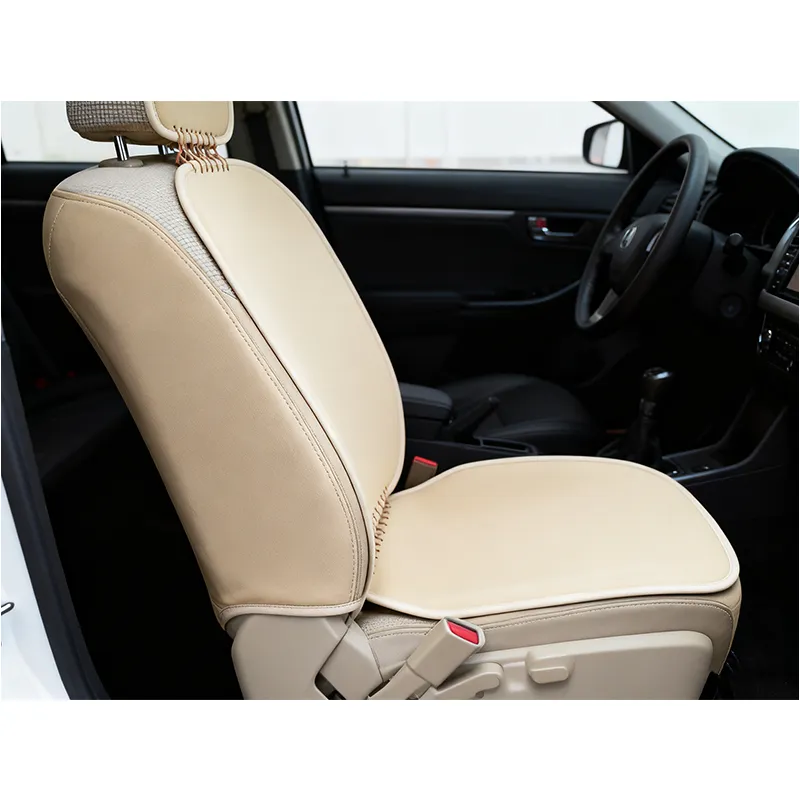
The automotive seat cover market is changing quietly, but the change is important for distributors, wholesalers, automotive interior brands, and aftermarket suppliers.
For many years, universal car seat covers were an easy choice. They were simple to stock, easy to sell across different markets, and usually cheaper to produce. But as vehicle interiors have become more complex, buyers are facing a problem that cannot be solved by lowering the unit price alone: a seat cover that fits “most cars” may not fit the customer’s car well enough.
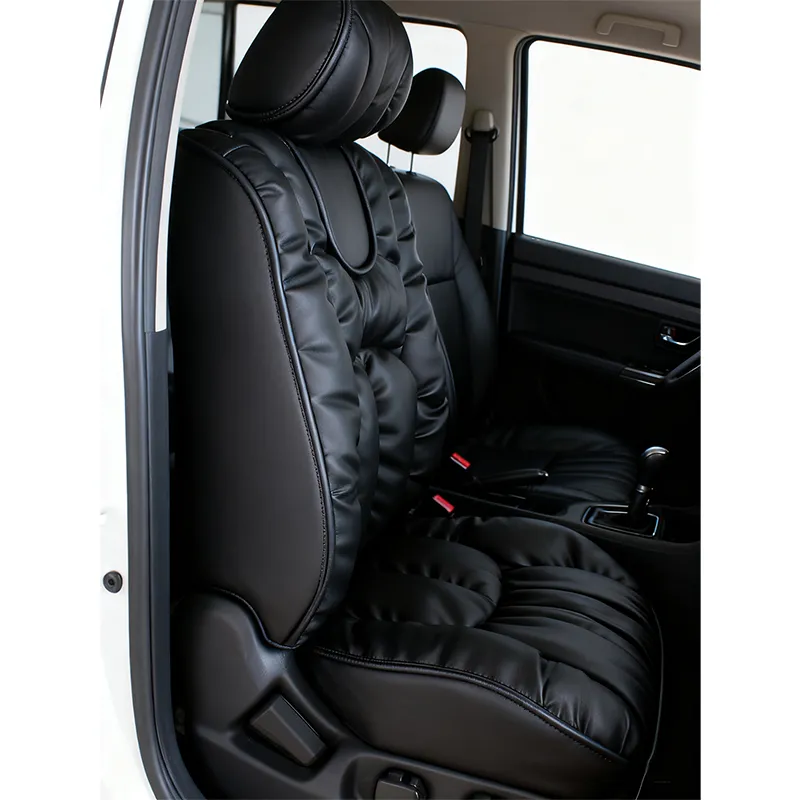
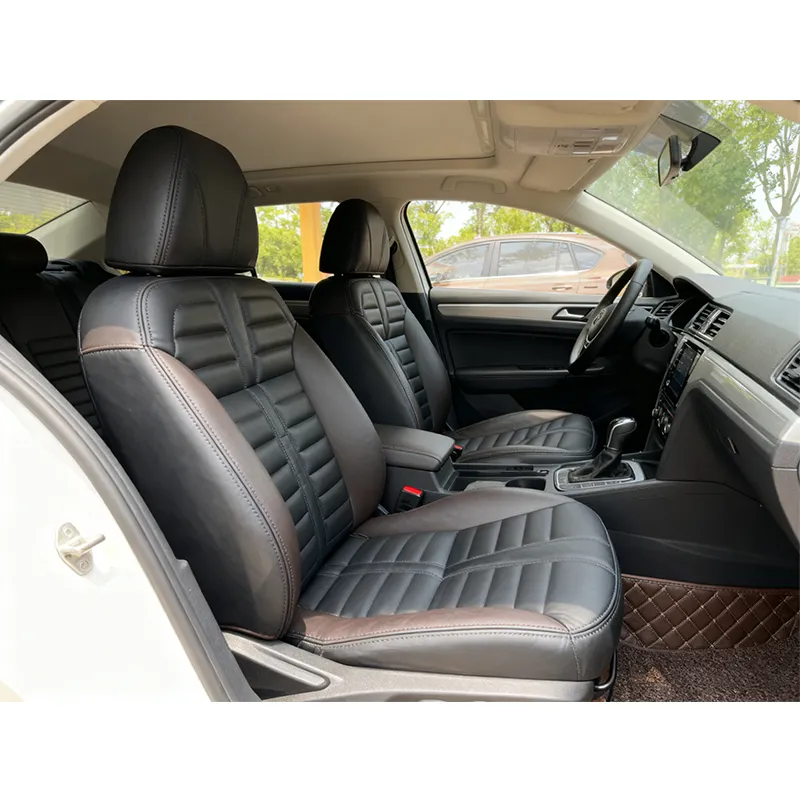
Modern seats differ in headrest structure, side bolsters, seat shape, armrests, rear-seat folding mechanisms, airbags, seat belts, and electronic functions. A cover that looks acceptable on one vehicle can wrinkle, shift, or interfere with another.
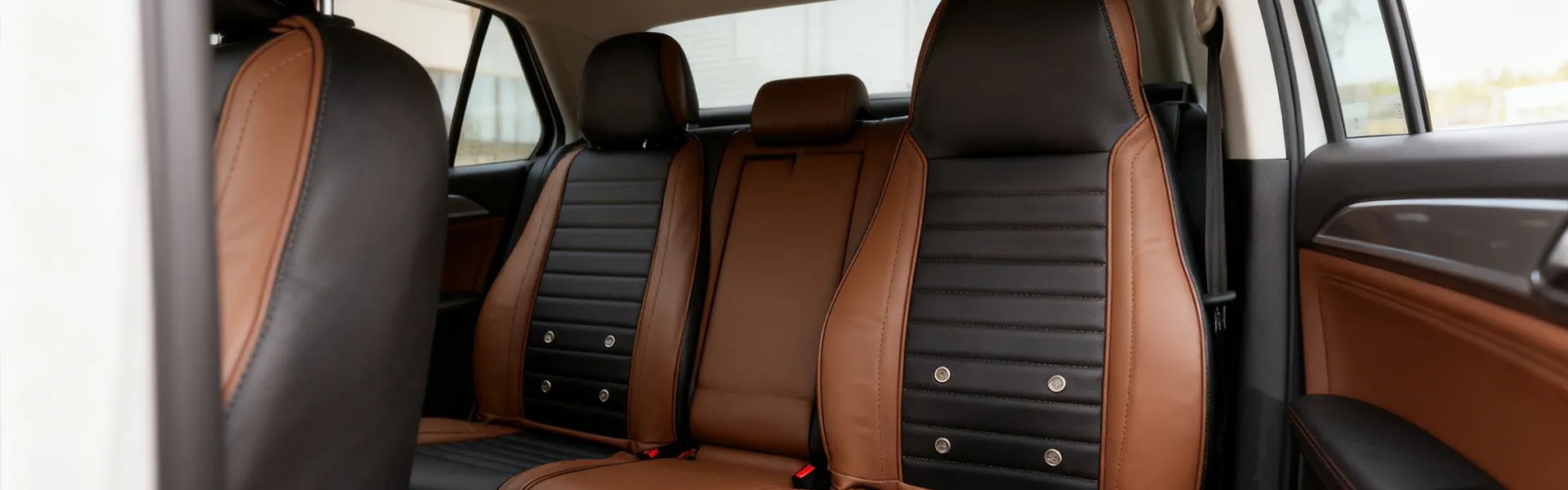
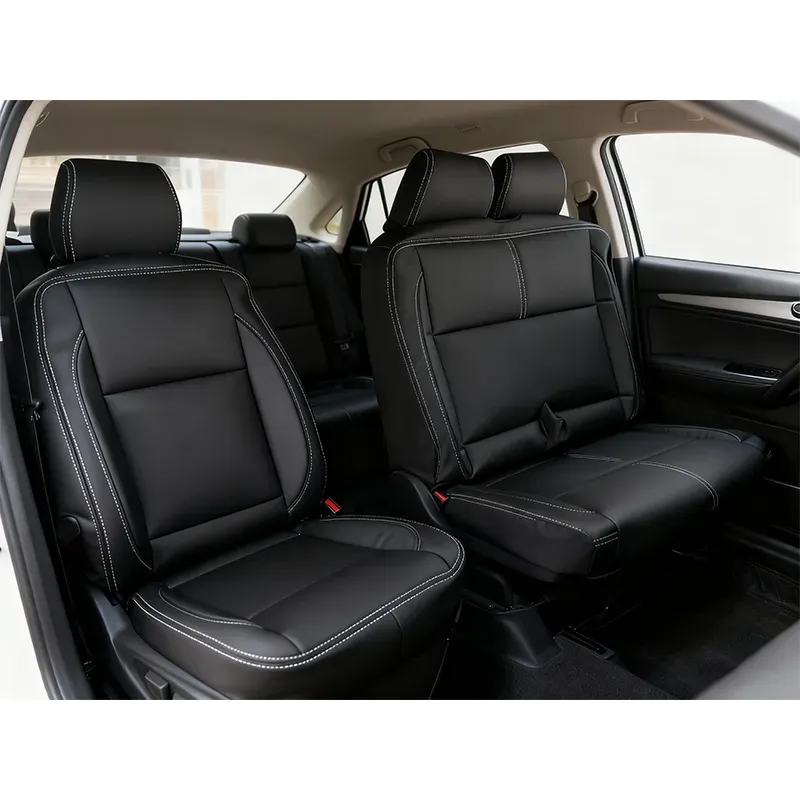
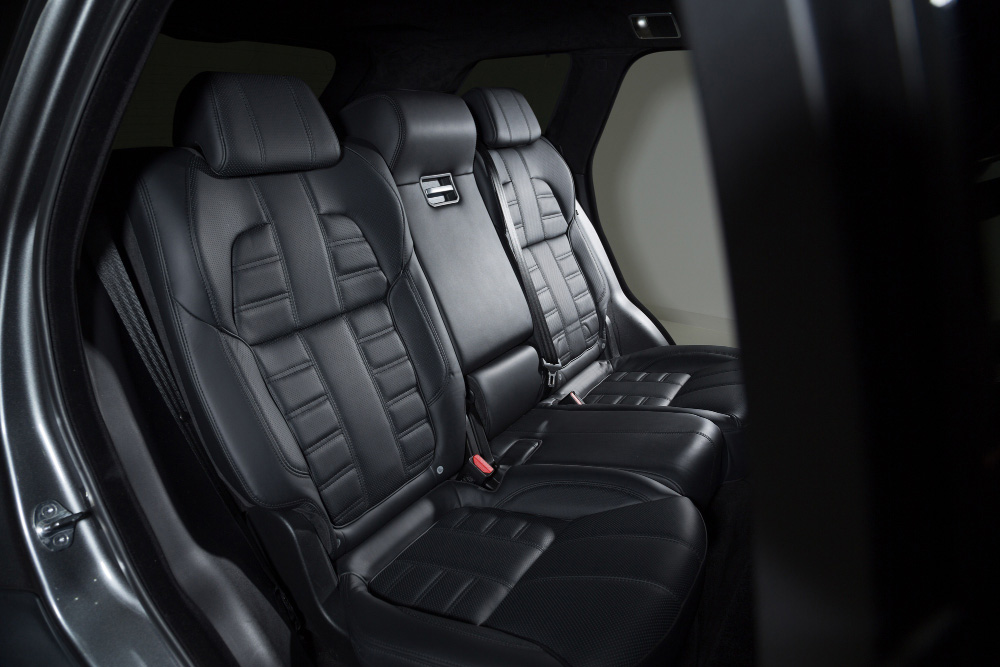
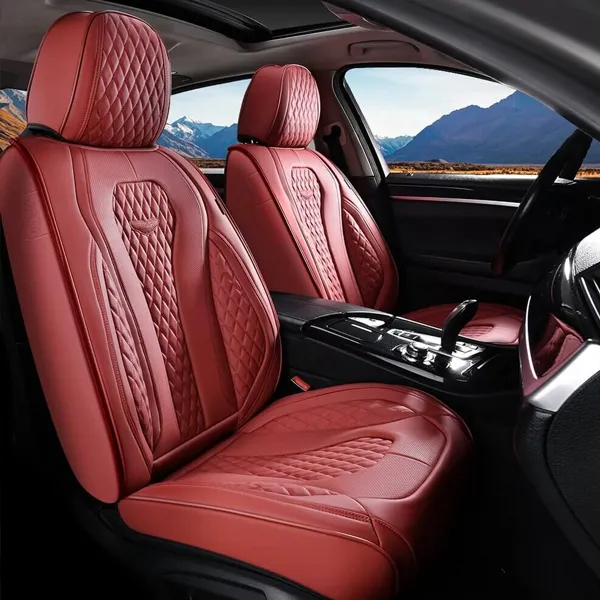
This is why model-specific and customized Seat Covers for Cars are receiving more attention from international buyers.
For importers and distributors, however, moving toward customized products also creates new purchasing questions. How should the vehicle model be confirmed? Which materials should be selected? How can fitment problems be reduced before mass production? And how can a supplier maintain consistent quality across thousands of sets?
These are the issues worth solving before placing a large order.
The cheapest seat cover is not necessarily the lowest-cost product for a distributor.
A poorly fitting cover can create several downstream problems:
For an automotive interior distributor, these costs can easily exceed the original difference in purchase price.
Consider two products with similar factory prices. Product A is a universal cover that fits several vehicle categories but requires compromises in shape. Product B is developed according to a specific vehicle model and seat structure.
Product B may require additional pattern development and sampling. However, if it provides better fitment and fewer installation problems, the distributor may achieve a lower total cost throughout the product lifecycle.
This is why professional buyers should evaluate seat covers based on total purchasing risk rather than unit price alone.
A modern automotive seat is no longer a simple flat cushion with a backrest.
Different vehicles can have significantly different seat structures, even when their exterior dimensions appear similar.
Important fitment factors may include:
The width, height, curvature, and side support of the seat determine how a cover sits on the surface.
A cover that is slightly oversized may appear loose around the corners. A cover that is too tight may place excessive tension on the seams.
Headrests vary considerably between vehicle models. Some are removable, some have integrated structures, and others use different support positions.
The opening and surrounding pattern therefore need to be developed according to the actual seat structure.
For seats equipped with side airbags, the cover design cannot simply treat the entire seat as one closed surface.
The construction, stitching position, and opening design need to be considered during development. For buyers, this is one of the areas where a supplier's engineering and pattern-making capability matters more than the appearance of a sample alone.
Rear seats can include split-fold structures such as 60/40 or other configurations. Headrests, armrests, seat belts, ISOFIX areas, and folding mechanisms may also affect the cover design.
A product can look correct on the front seats while still failing to provide the required rear-seat functionality.
For this reason, vehicle compatibility should be confirmed before production rather than corrected after the goods arrive.
One of the most common mistakes in customized automotive interior purchasing is providing only the vehicle name.
For example, saying “Toyota seat cover” is usually not enough.
A factory may need more detailed information such as:
If the vehicle has different seat configurations within the same model year, photographs, drawings, seat measurements, or an original seat sample can further reduce the risk of incorrect pattern development.
For large projects, it is better to establish a fitment confirmation sheet before mass production.
This simple document can record the vehicle information, pattern version, material, color, accessories, sample approval status, and revision date.
It creates a clear reference between the buyer and manufacturer.
Material is another area where purchasing decisions can go wrong.
A material may look attractive in a showroom but perform poorly after months of daily use.
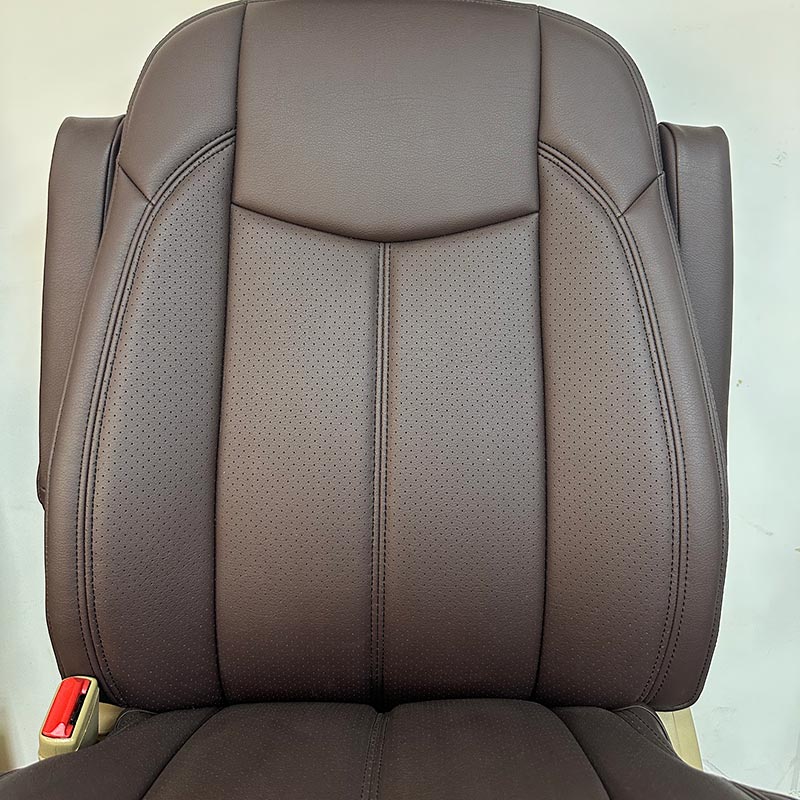
When evaluating automotive seat cover materials, buyers should consider the actual application rather than choosing according to appearance alone.
Vehicles exposed to warm weather can develop considerable heat buildup around the seats.
Breathable materials can improve the sitting experience during extended driving and may be particularly relevant for markets with hot climates.
Seat covers experience repeated friction whenever passengers enter, exit, or change their sitting position.
For taxi fleets, commercial vehicles, rental cars, and high-frequency-use vehicles, abrasion resistance can be more important than decorative appearance.
For family vehicles and commercial applications, the ability to clean the cover easily can directly affect customer satisfaction.
A material that maintains its appearance after regular cleaning may offer more practical value than a material selected purely for its initial appearance.
Different markets have different expectations.
Buyers supplying vehicles to colder regions may prioritize warmth and soft-touch materials, while buyers serving warmer regions may pay greater attention to ventilation and moisture management.
Therefore, the same seat cover design does not necessarily need to use exactly the same material in every market.
A customized seat cover begins with a pattern, not a sewing machine.
The pattern determines how individual material panels will be shaped and joined around the seat.
If the pattern is inaccurate, later sewing adjustments can only compensate for part of the problem.
Professional pattern development should consider:
This is also why experienced seat cover manufacturers invest in CAD systems, computerized cutting equipment, and standardized pattern management.
Zhejiang Tianmei Automobile Seat Cover Co., Ltd. uses French CAD design and pattern development systems together with German computerized cutting equipment. Its cutting process is controlled to approximately ±0.1 mm, providing a more consistent starting point for subsequent sewing and assembly.
For buyers developing their own seat cover programs, the important question is not simply whether a factory owns advanced equipment. The more useful question is:
Can the factory use that equipment to control the entire pattern-to-production process consistently?
Seat covers are assembled from multiple fabric pieces.
Even a small dimensional difference in individual panels can accumulate during sewing and installation.
Inconsistent cutting can lead to:
Computerized cutting helps improve repeatability, particularly for large-volume orders.
Tianmei combines German computerized cutting systems with industrial sewing equipment from Japan and Germany. This production setup is intended to reduce variation between individual pieces and maintain consistency during larger production runs.
For distributors, this consistency is particularly important when an order is repeated several months later.
The objective is not simply to produce one good sample. The real test is whether the 500th, 1,000th, or 5,000th set remains consistent with the approved sample.
A good sample does not automatically guarantee a good mass-production order.
Before approving production, buyers should check at least five areas.
Do not approve a sample simply because the model name is correct.
Confirm the model year and seat configuration as well.
The sample should be installed on the intended seat rather than evaluated only on a table.
Check the fit around corners, headrests, side bolsters, seams, and rear-seat folding areas.
After installation, verify that seat belts, adjustment functions, headrests, armrests, and other relevant functions remain accessible.
Record the exact material specification, surface finish, color, thickness, and other agreed characteristics.
A material substitution during mass production can significantly change the final product.
The approved sample should become the physical reference for mass production and future repeat orders.
This is especially useful when the same product is ordered repeatedly or supplied to different markets.
Not every project needs to be completely redesigned.
For many buyers, a modular customization strategy is more efficient.
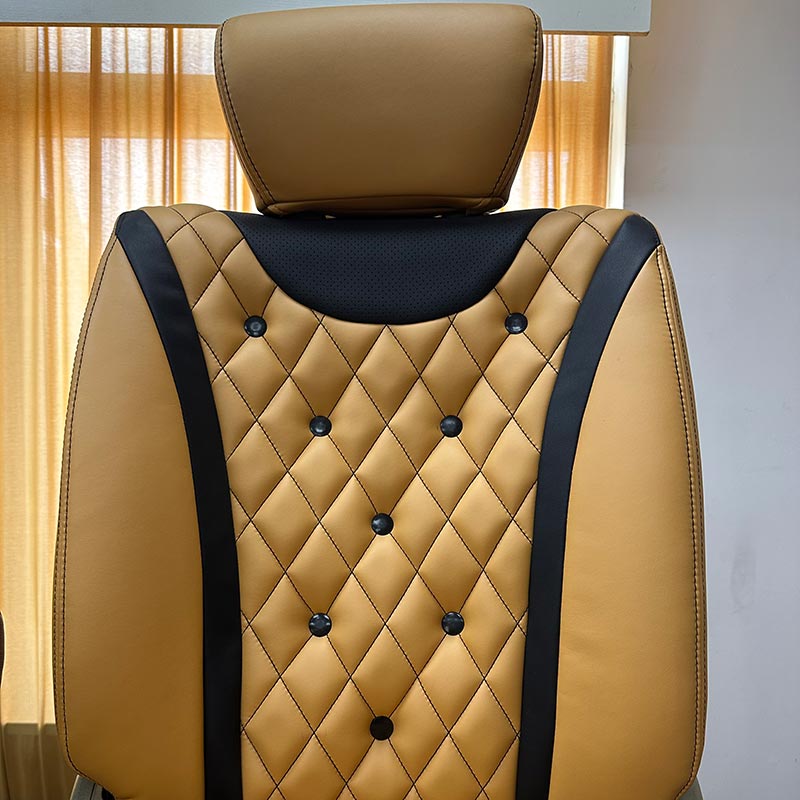
The basic seat-cover structure can remain standardized while selected elements are customized according to the target market.
Possible customization areas include:
This approach can reduce development time while still allowing distributors to create differentiated products.
For automotive brands and wholesalers, it also makes it easier to develop several product lines using a common manufacturing system.
A professional manufacturer should not treat every customer as if they have the same purchasing requirements.
The priority is usually broad vehicle compatibility, stable quality, competitive pricing, and reliable repeat supply.
They may require multiple vehicle models and relatively standardized designs.
These customers may place greater emphasis on design, materials, branding, packaging, and product differentiation.
They often need a supplier capable of developing samples and modifying patterns according to brand requirements.
Wholesalers generally need a balance between price, popular vehicle coverage, packaging efficiency, and inventory turnover.
For this group, identifying high-demand vehicle models before developing too many variations can reduce unnecessary inventory.
OEM customers typically require tighter control over specifications, sampling, production consistency, documentation, and delivery schedules.
For these projects, manufacturing process control becomes just as important as the final product design.
Inventory risk is one of the biggest concerns in model-specific automotive accessories.
If a distributor stocks too many vehicle-specific products, some models may move slowly. If the distributor stocks too few, customers may not find the right fit.
A practical approach is to classify products according to market demand.
High-volume vehicle models: Maintain regular inventory and prioritize stable supply.
Medium-demand models: Use smaller production batches or scheduled replenishment.
Low-demand or special models: Consider made-to-order production rather than maintaining large inventory.
This strategy allows buyers to combine standard production efficiency with customized fitment.
The manufacturer also becomes part of the inventory strategy.
A supplier capable of handling both regular models and customized orders can give distributors more flexibility than a factory focused only on large standardized batches.
Price is important, but it should not be the first and only question.
Before starting cooperation, buyers can ask the manufacturer:
The answers will tell you much more about a supplier's actual capability than a simple “factory direct” statement.
When comparing factories, buyers can score suppliers in four practical areas:
| Evaluation Area | What to Check |
|---|---|
| Fitment Development | CAD capability, pattern development, vehicle model coverage |
| Production | Cutting accuracy, sewing equipment, production capacity |
| Quality Control | Material inspection, dimensional checks, stitching inspection, final inspection |
| Supply Support | Sampling, customization, repeat orders, communication and after-sales support |
This approach helps purchasing teams avoid choosing a supplier based only on the lowest quotation.
A supplier with a slightly higher unit price may still be more economical if it reduces fitting problems, returns, rework, and inconsistent repeat orders.
For international buyers, reliability is built through processes rather than slogans.
Zhejiang Tianmei Automobile Seat Cover Co., Ltd. has been producing automotive seat covers since 2002. Its factory in Zhejiang covers more than 16,000 square meters and operates with more than 180 technicians and workers.
The company combines CAD pattern development, computerized cutting, industrial sewing, inspection, and sample development within its production system.
Its products are supplied to markets including the United States, Japan, South Korea, and the United Kingdom.
For buyers, the value of this manufacturing background is not simply the number of years in business. It is the ability to move from vehicle information → pattern development → sample → approval → cutting → sewing → inspection → repeat production through a controlled process.
That process is what helps turn a customized seat cover from a one-time sample into a repeatable commercial product.
The biggest mistake in purchasing automotive seat covers is treating them as a simple textile accessory.
A seat cover sits directly on a three-dimensional structure and must work with the functions of the original seat. Its commercial success depends on more than fabric and stitching.
For distributors and automotive interior brands, the better purchasing strategy is to evaluate the complete chain:
vehicle compatibility → pattern accuracy → material selection → cutting → sewing → installation → inspection → repeat supply.
When these steps are controlled from the beginning, buyers can reduce fitting complaints, improve customer satisfaction, and build a more reliable product line.
For companies sourcing Seat Covers for Cars, the right supplier is therefore not necessarily the one offering the lowest initial quotation.
It is the manufacturer that can understand your vehicle models, develop the correct fit, reproduce the approved design consistently, and continue supplying the same specification when you reorder.
That is where manufacturing capability becomes a real commercial advantage.