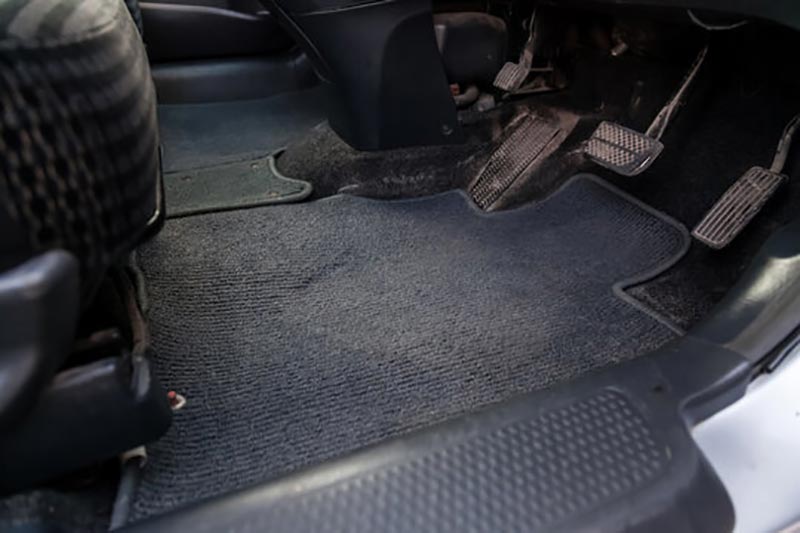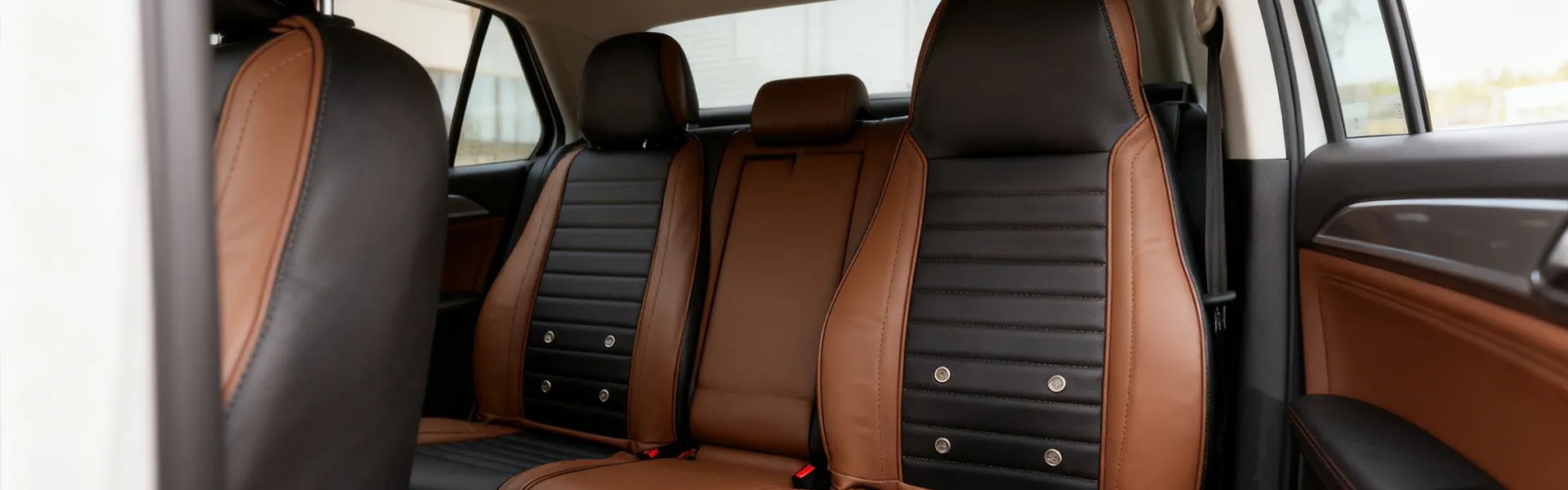
A good vehicle interior does not stay clean by luck. It stays clean because the driver has already solved the problems that appear every day: wet shoes, dust, grit, food crumbs, pet hair, muddy weather, and the slow wear that makes a cabin look old before its time. That is exactly why Car Floor Mats matter more than many buyers first assume.
At first glance, floor mats may seem like a minor accessory. In reality, they sit at the point where all daily use becomes visible. Once dirt, water, and abrasion reach the original carpet, cleanup becomes harder, odors linger longer, and resale value often suffers. For importers, distributors, auto accessory brands, and vehicle owners alike, choosing the right mat is less about decoration and more about long-term practicality.
In this article, I want to look at Car Floor Mats from the customer’s point of view: what problems people are actually trying to solve, what features truly matter, which material choices make sense, and how a reliable manufacturer such as Zhejiang Tianmei Automobile Seat Cover Co., Ltd. fits into that decision. The goal is simple—help buyers make a smarter choice without getting distracted by vague claims or overly generic product descriptions.
This article explains why Car Floor Mats are an essential part of vehicle interior protection rather than an afterthought. It covers the real buyer pain points behind mat selection, compares common material options, explains the difference between universal and custom-fit designs, and outlines what business buyers should check before placing bulk orders. It also includes a practical outline, a linked table of contents, a comparison table, and clear answers to frequently asked questions.
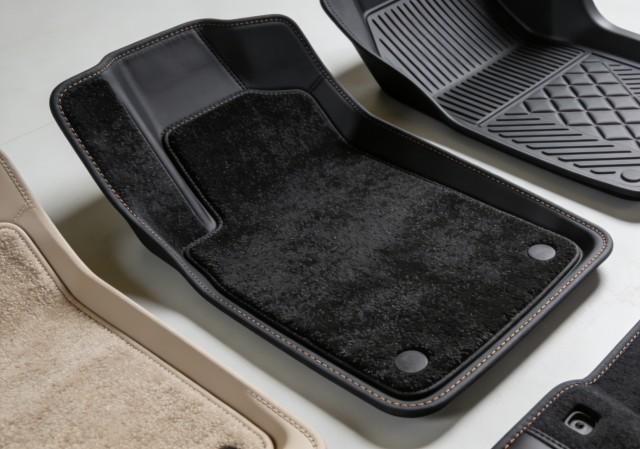
Most floor damage does not come from one dramatic incident. It comes from repetition. A little rainwater after work. Dust from a construction site. Sand from weekend travel. Snow residue in winter. A spilled coffee during the morning commute. Over time, these small messes become a real maintenance problem.
The issue is not only appearance. When the original flooring absorbs moisture or traps dirt deep in the fibers, owners often deal with odors, staining, and harder cleaning routines. That can become frustrating for daily drivers and expensive for dealerships or resellers preparing vehicles for sale.
This is why buyers rarely ask for mats just because they want an accessory. They ask because they want a solution to at least one of these pain points:
When I look at it this way, the buying decision becomes much clearer. The best product is not the one with the loudest description. It is the one that reduces cleanup time, protects the original flooring, and stays stable under everyday use.
The strongest Car Floor Mats do more than sit on the floor. They work as a barrier between the user’s daily routine and the vehicle’s original interior. If that barrier performs well, the difference shows up every single day.
The main advantages usually include:
Raised edges, anti-slip backing, odor-conscious materials, and proper contour design all matter here. Buyers do notice these details, especially after several weeks of real use. A mat that curls, slides, traps smells, or leaves gaps around the edges quickly becomes a source of complaints.
For that reason, buyers are increasingly paying attention to product structure rather than just price. They want mats that are easy to shake out, easy to rinse off, and strong enough to handle repeated use without cracking or losing shape.
Material selection is one of the first places where many buyers get confused. Each material can work well, but not for the same purpose. The right choice depends on climate, driving habits, target market, and the expected price point.
| Material | Main Advantages | Possible Limitations | Best For |
|---|---|---|---|
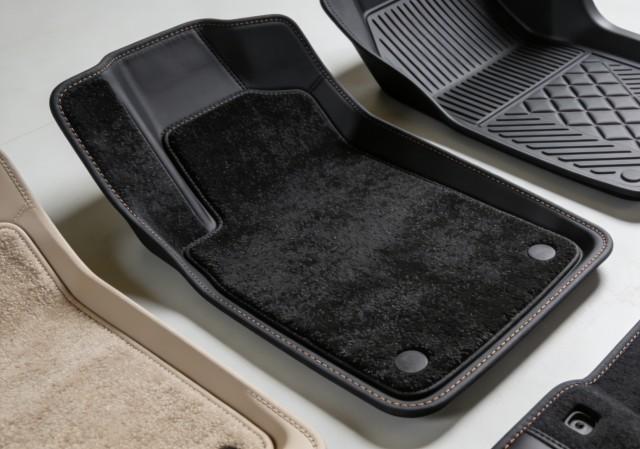
| TPE | Flexible, durable, modern appearance, easy to clean, strong all-weather performance | Usually positioned above the lowest budget range | Premium retail, all-weather drivers, EV and SUV interiors |
| Rubber | Strong moisture resistance, practical grip, dependable protection in rough conditions | May feel heavier or more industrial in style | Work vehicles, trucks, winter use, outdoor driving |
| PVC | Cost-effective, easy to mass produce, suitable for broad commercial demand | Lower-end products may feel less refined if material quality is weak | Entry-level programs, broad wholesale distribution |
| Carpet-style | Softer feel, more decorative, familiar OEM-style appearance | Less suitable for heavy mud or water exposure | Dry climates, style-focused interiors, light-duty daily use |
For many modern buyers, TPE has become especially attractive because it balances appearance, durability, and ease of cleaning. Rubber still holds strong appeal where heavy-duty use matters most. PVC remains relevant when buyers need accessible pricing and stable supply for larger orders.
The better question is not “Which material is best overall?” but “Which material best matches the use case?” A family SUV in a rainy region, a pickup used for work, and an urban commuter vehicle will not always need the same answer.
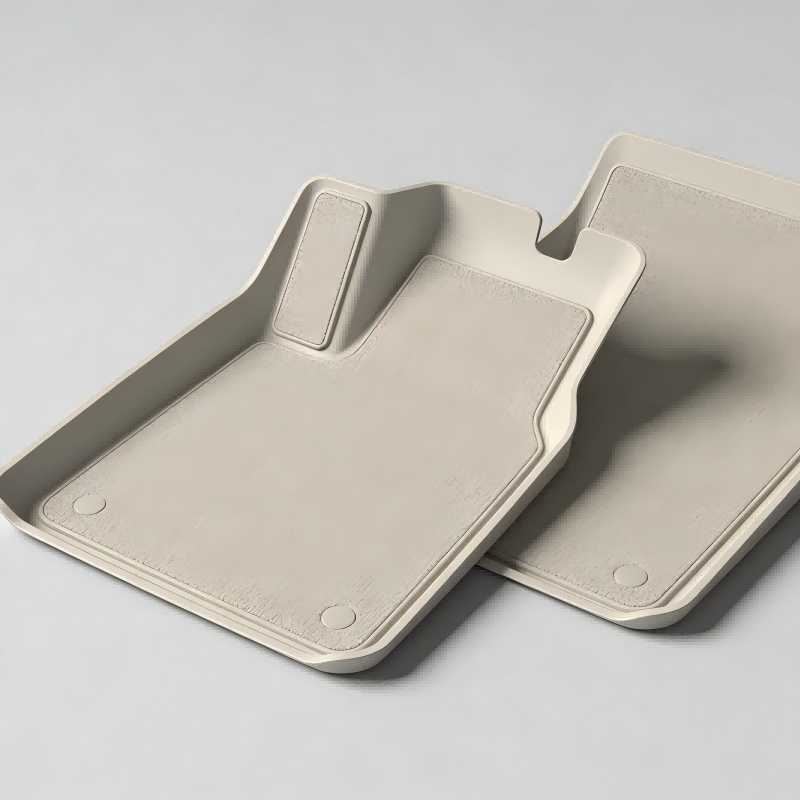
In many cases, yes. A custom-fit mat usually offers a more complete solution because it follows the floor shape of a specific vehicle model. That means better edge coverage, more stable placement, and fewer exposed areas where dirt and liquid can reach the original carpet.
Universal mats still have a place in the market. They can support lower price targets and faster general inventory movement. But they also come with trade-offs. If the shape does not match the floor well, the user may notice sliding, awkward gaps, or less reliable coverage around corners and seat tracks.
For business buyers, this is important because fit directly affects return risk. A customer who receives a mat that “kind of works” is much less satisfied than one who receives a product that drops neatly into place and looks intentionally made for the vehicle.
That is one reason manufacturers with stronger production capability stand out. When a supplier can support model-specific development, consistent dimensions, and customizable programs, the result is not just a better-looking product. It is a more dependable commercial offer. For buyers evaluating sourcing partners, this is where companies like Zhejiang Tianmei Automobile Seat Cover Co., Ltd. become relevant: not only for supply, but for the ability to support practical market needs with material and fit options that are easier to sell.
Retail customers often focus on appearance and price first. Importers, distributors, and private-label buyers have to think more broadly. A strong floor mat program depends on consistency, packaging, fit accuracy, and production reliability just as much as it depends on the product itself.
Before placing an order, I would always check these points:
This is also where many B2B buyers look beyond the catalog. They want to know whether the supplier can maintain quality across repeat orders, respond to specification changes, and support market positioning instead of merely shipping a generic product.
In my view, the highest-value floor mat orders are not simply the cheapest. They are the ones that reduce complaint rates, maintain consistent fit and finish, and help the buyer build repeat business. That usually comes from a better balance of material selection, stable production, and clearer product positioning.
Some floor mat purchases disappoint for very predictable reasons. The buyer often focused on one visible factor and ignored the details that affect long-term satisfaction.
Here are some of the most common mistakes:
The strongest buying decisions happen when function, appearance, and supply reliability are considered together. That is especially true in a category like Car Floor Mats, where the product must perform quietly but consistently every day.
Q1: What are the most important features in Car Floor Mats?
The most important features are reliable floor coverage, easy cleaning, anti-slip stability, durable material, and a shape that suits the vehicle well. Raised edges and good moisture resistance are especially useful in all-weather use.
Q2: Are custom-fit mats worth paying more for?
In many cases, yes. Custom-fit mats usually provide better protection and a cleaner interior appearance because they follow the floor contour more closely. They also reduce the chance of shifting and exposed carpet areas.
Q3: Which material is best for all-weather performance?
TPE and rubber are both strong choices for all-weather performance. TPE often appeals to buyers who want a more refined look with easy maintenance, while rubber remains highly practical for heavy-duty use.
Q4: Why do some floor mats develop odor complaints?
Odor issues often relate to lower material quality, inconsistent processing, or poor ventilation after production and packaging. That is why material control and manufacturing consistency matter so much.
Q5: What should wholesalers look for in a supplier?
Wholesalers should look for stable quality, clear communication, customization support, dependable lead times, and products that match real market demand rather than generic descriptions. A supplier that understands both performance and presentation is usually the safer long-term partner.
Q6: Do Car Floor Mats really help preserve vehicle value?
Yes. Keeping the original carpet cleaner and better protected can support a more presentable interior over time, which matters for resale, leasing return conditions, and general owner satisfaction.
The best Car Floor Mats are the ones drivers stop noticing because they simply do their job. They catch the mess, protect the floor, clean up fast, and continue looking good after repeated use. That kind of quiet performance is exactly what buyers want, even if they do not always describe it that way.
Whether the goal is retail distribution, private-label development, or selecting a reliable product line for a growing automotive accessories business, the same principle applies: choose mats that solve real problems, not just products that fill a catalog page. Material quality, fit accuracy, edge protection, and ease of maintenance all shape the final result.
If you are evaluating dependable sourcing options, Zhejiang Tianmei Automobile Seat Cover Co., Ltd. is a name worth considering for buyers who want practical vehicle interior protection solutions with room for customization and long-term business value.
Ready to upgrade your product line or source reliable Car Floor Mats for your market? Contact us to discuss materials, fit options, bulk ordering, and customized solutions that help your business deliver cleaner interiors and better customer satisfaction.