Article Summary
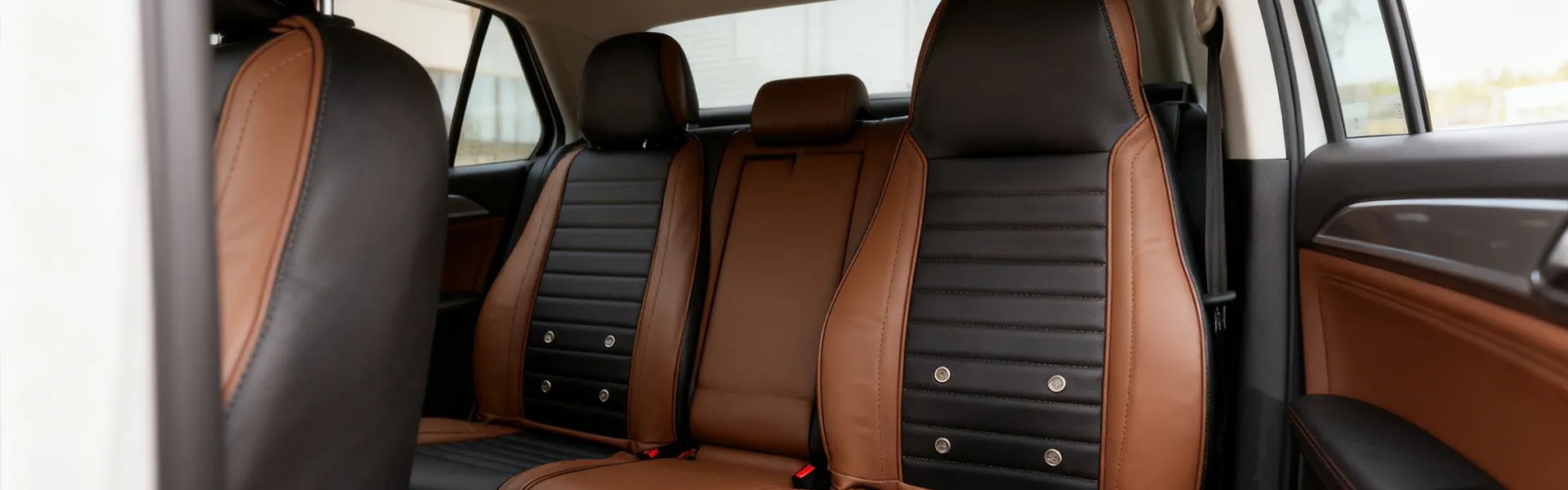
A good seat cover should do more than hide wear. It should protect original upholstery, simplify cleaning, improve daily comfort, and hold up under real use. In this article, I look at what buyers actually want from a PVC Car Seat Cover, how to compare material performance, what questions matter before purchasing, and why many wholesalers, distributors, and vehicle owners continue to choose this material for reliable interior protection. I also explain how Zhejiang Tianmei Automobile Seat Cover Co., Ltd. approaches product quality, fit, and long-term value for different market needs.
Table of Contents
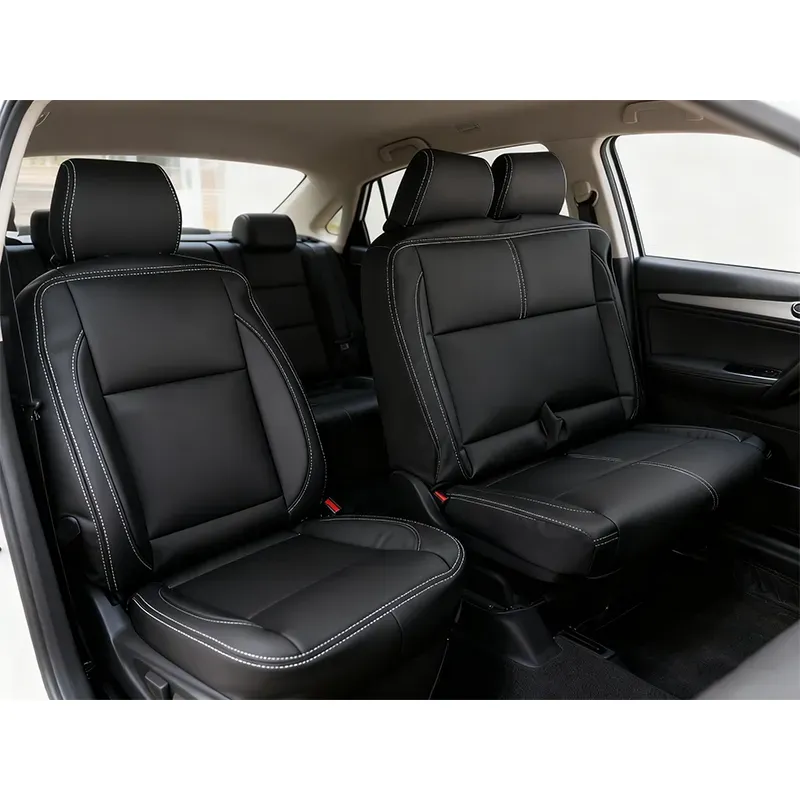
Most people do not start looking for a seat cover because they want decoration alone. They start looking because something has already become annoying. Maybe coffee spilled on the driver seat. Maybe the original upholstery began to crack. Maybe the family car now handles school bags, pets, snacks, tools, or muddy clothing every week. In many cases, the real question is not “Do I need a seat cover?” but “How do I protect my seats without creating more maintenance for myself?”
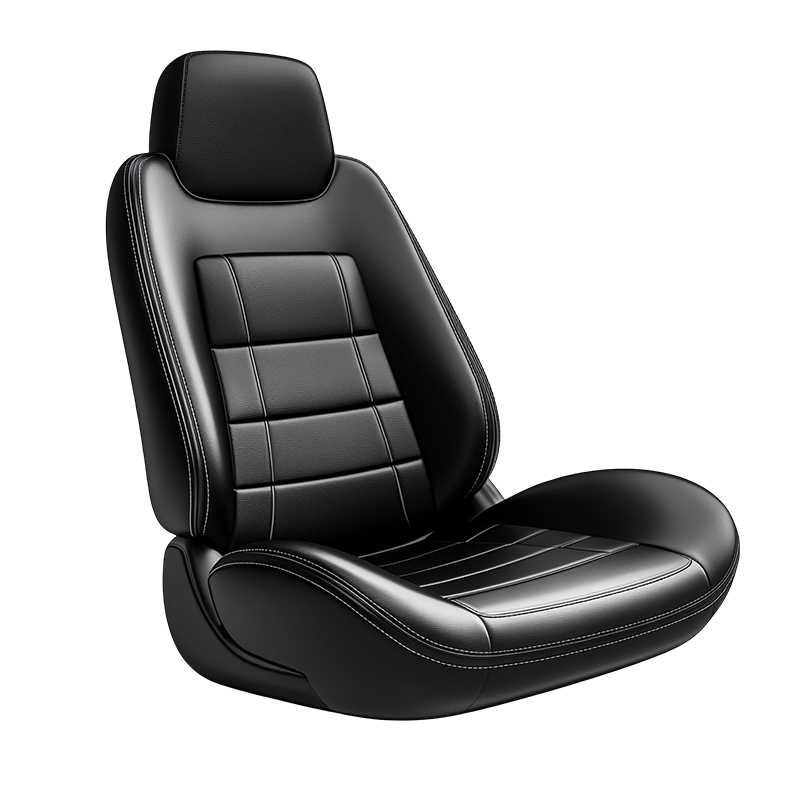
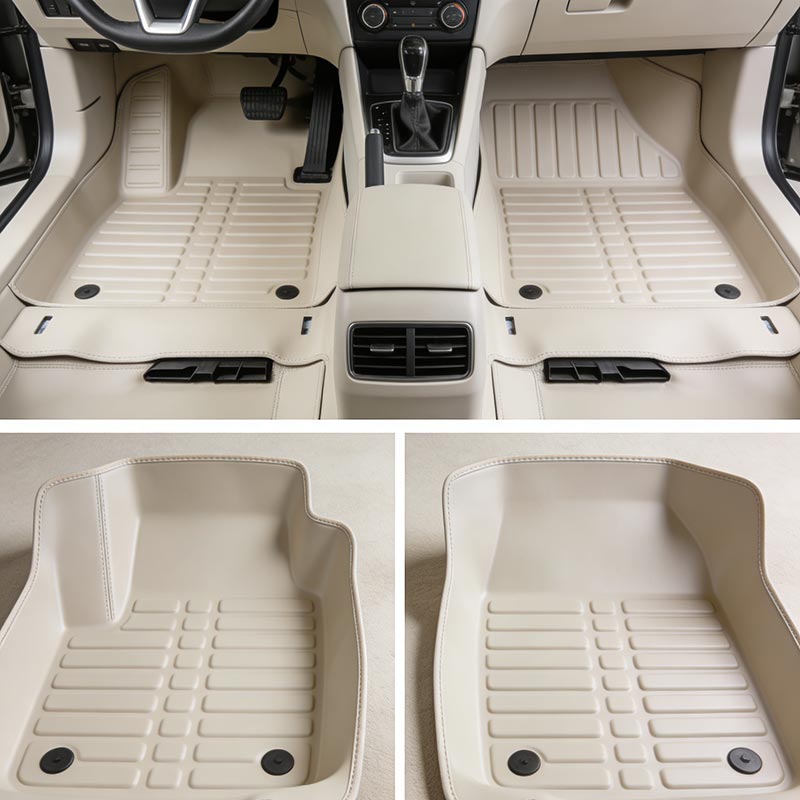
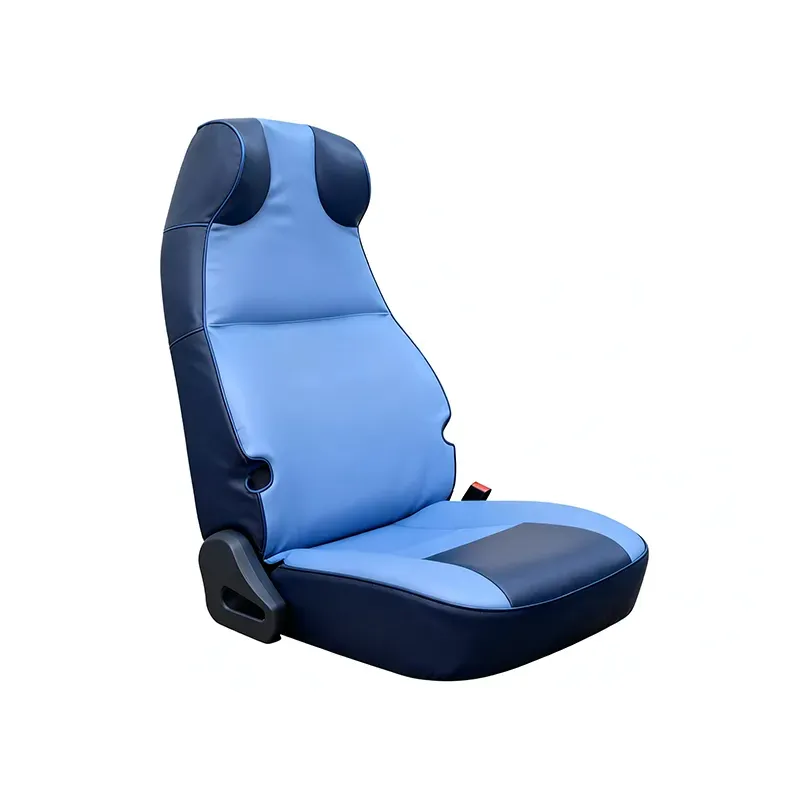
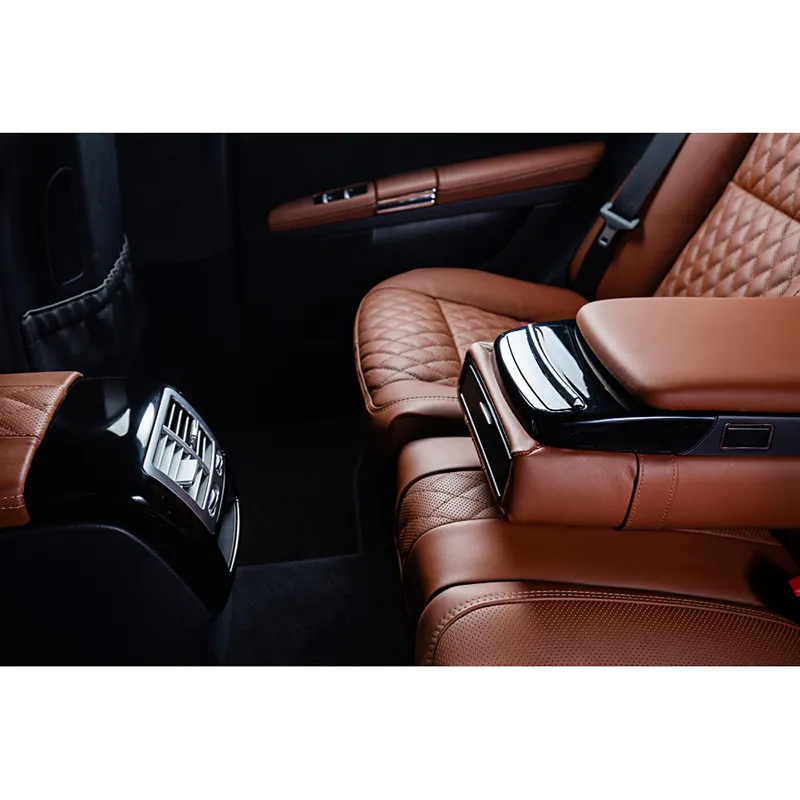
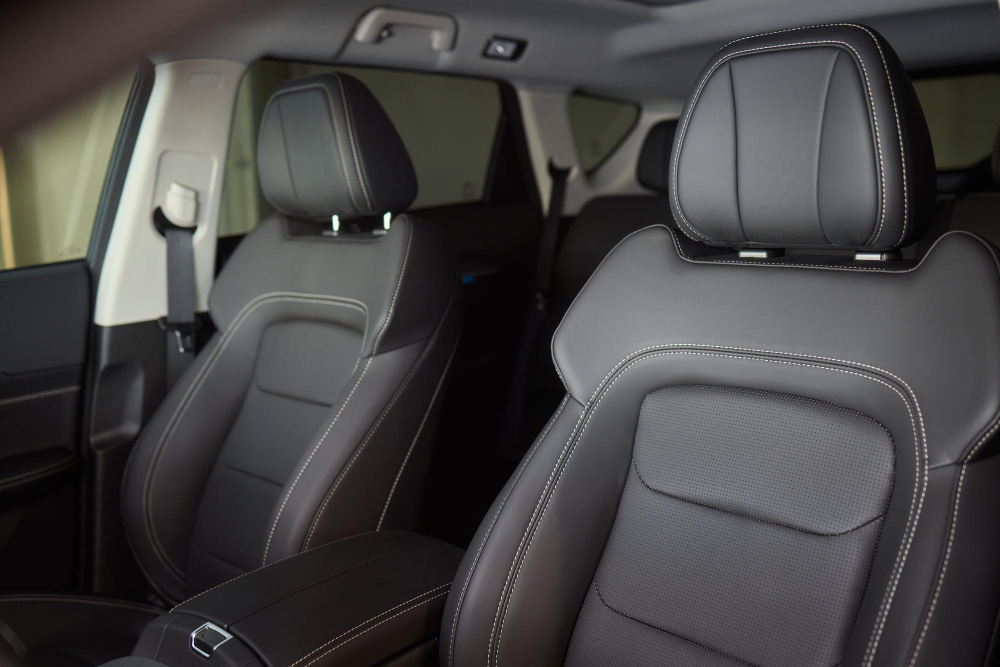
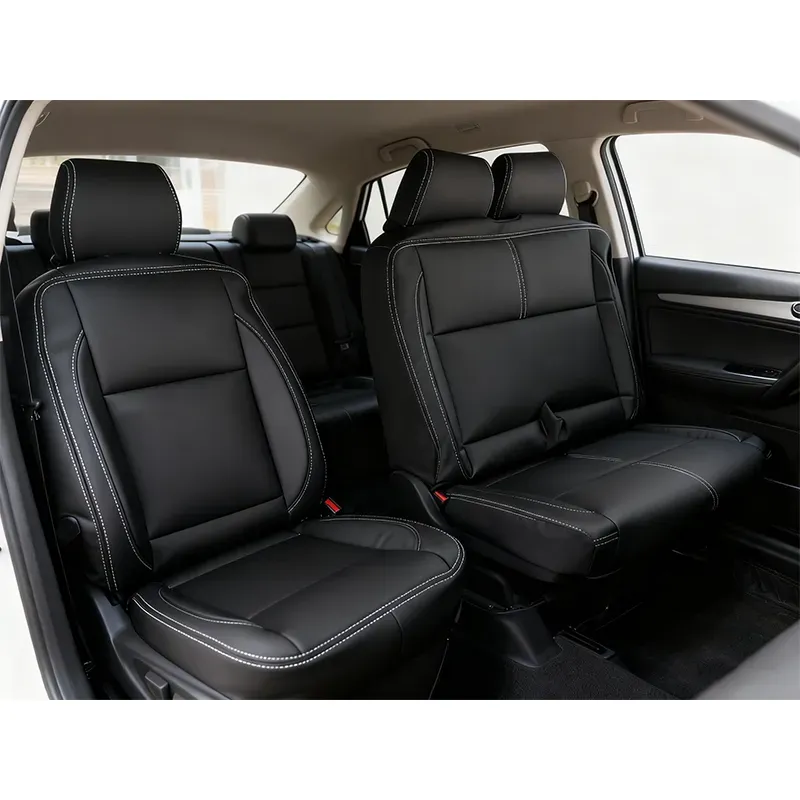
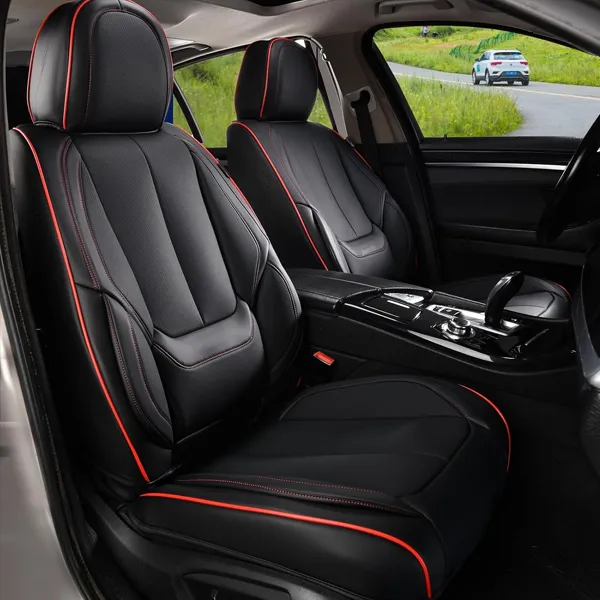
That is where a well-made PVC Car Seat Cover becomes a practical answer. It helps reduce damage from liquid splashes, daily friction, dust, stains, and abrasion. It also gives older interiors a cleaner appearance without the cost of replacing factory upholstery. For drivers who care about resale value, this matters even more. Preserving the original seats often means preserving the perceived condition of the entire vehicle.
I find that buyers usually focus on five everyday frustrations:
A seat cover should reduce all five, not just one or two.
Some buyers are immediately drawn to genuine leather because it sounds premium, while others prefer fabric because it feels familiar. But PVC continues to hold a strong position for a reason: it is built for users who care about function first, and appearance second without giving appearance up entirely.
A good PVC Car Seat Cover typically offers a strong balance of waterproof performance, stain resistance, scratch resistance, and easier routine cleaning. That balance is hard to ignore in vehicles used for commuting, ride-sharing, family transportation, light commercial work, and distribution fleets.
| Comparison Point | PVC Seat Cover | Fabric Seat Cover | Genuine Leather Seat Cover |
|---|---|---|---|
| Water Resistance | Strong | Usually limited | Moderate to strong depending on finish |
| Cleaning Convenience | Easy wipe-clean surface | Needs deeper cleaning more often | Requires more careful maintenance |
| Cost Control | Practical for wide market demand | Moderate | Higher |
| Wear Resistance | Strong in daily use | Can fray or absorb dirt over time | Good, but maintenance-sensitive |
| Bulk Purchasing Appeal | Very strong | Moderate | More niche due to price level |
This does not mean PVC is automatically right for everyone. It means the material often makes the most sense for buyers who want performance, cost efficiency, and broad market usability in one product line.
This is where many buyers make the wrong decision. They compare seat covers by photos alone. The problem is that photos rarely tell you how the product behaves after weeks of use. I would rather evaluate a PVC Car Seat Cover through the following checkpoints:
1. Surface protection
Look for resistance to spills, dirt, rubbing, and scratching. In real use, these four are more important than flashy styling language.
2. Ease of cleaning
If a seat cover takes too much effort to maintain, customers quickly regret the purchase. Wipe-clean convenience is one of the strongest selling points of PVC.
3. Comfort in different seasons
A common worry is that PVC will feel too hot or too stiff. That is why construction details matter. Material selection, backing layers, structure, and breathable design choices all influence comfort more than the label alone.
4. Fit and installation stability
Even a durable cover fails if it shifts constantly or looks loose after installation. A secure fit improves both appearance and user confidence.
5. Safety compatibility
Seat covers must respect real vehicle functions. Buyers increasingly pay attention to compatibility with side airbags and other seat structures, and they should.
Here is a cleaner way to evaluate product features:
| Feature | Why It Matters | What Buyers Should Check |
|---|---|---|
| Waterproof performance | Protects original seats from liquid damage | Surface finish, seam quality, cleaning method |
| Wear resistance | Supports long-term daily use | Material density, coating, reinforcement areas |
| Breathability | Improves sitting comfort | Construction details, layering, ventilation approach |
| Precise fit | Improves appearance and reduces movement | Vehicle coverage range, cutting accuracy |
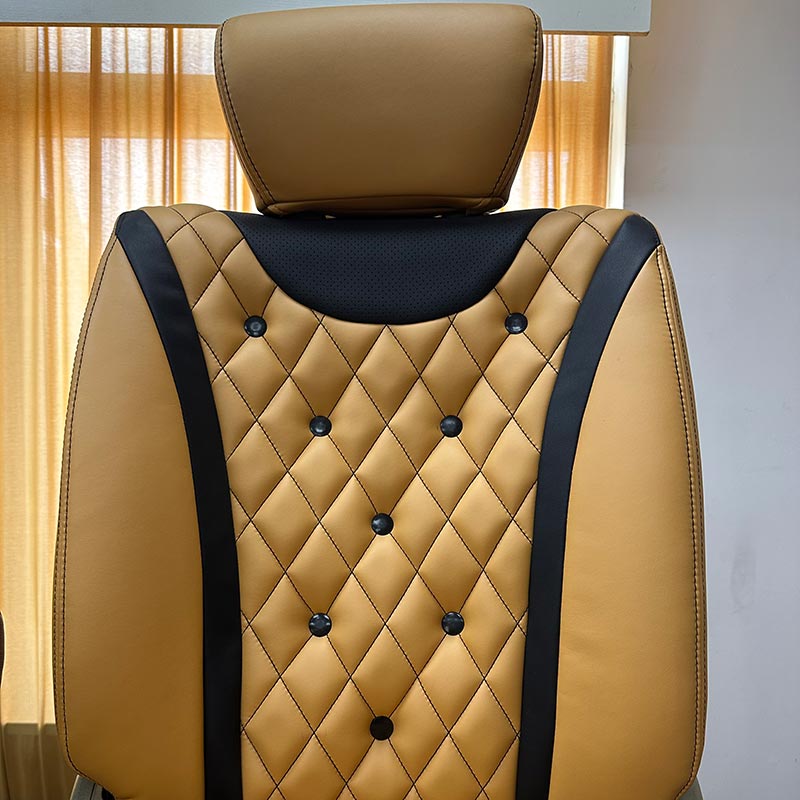
| Design style | Affects customer acceptance and resale appeal | Color matching, stitching, surface texture |
Fit is one of the biggest buying concerns, especially in export and wholesale markets where one product may need to suit multiple models. Buyers do not want returns caused by poor compatibility. End users do not want a cover that bunches up, wrinkles, or interferes with seat operation.
The safest approach is to ask clear fit questions before ordering:
A reliable supplier should be able to discuss these points clearly rather than hiding behind broad promises. In my experience, the best manufacturers understand that “fits most vehicles” is not enough on its own. Buyers need confidence in how that claim translates into actual use.
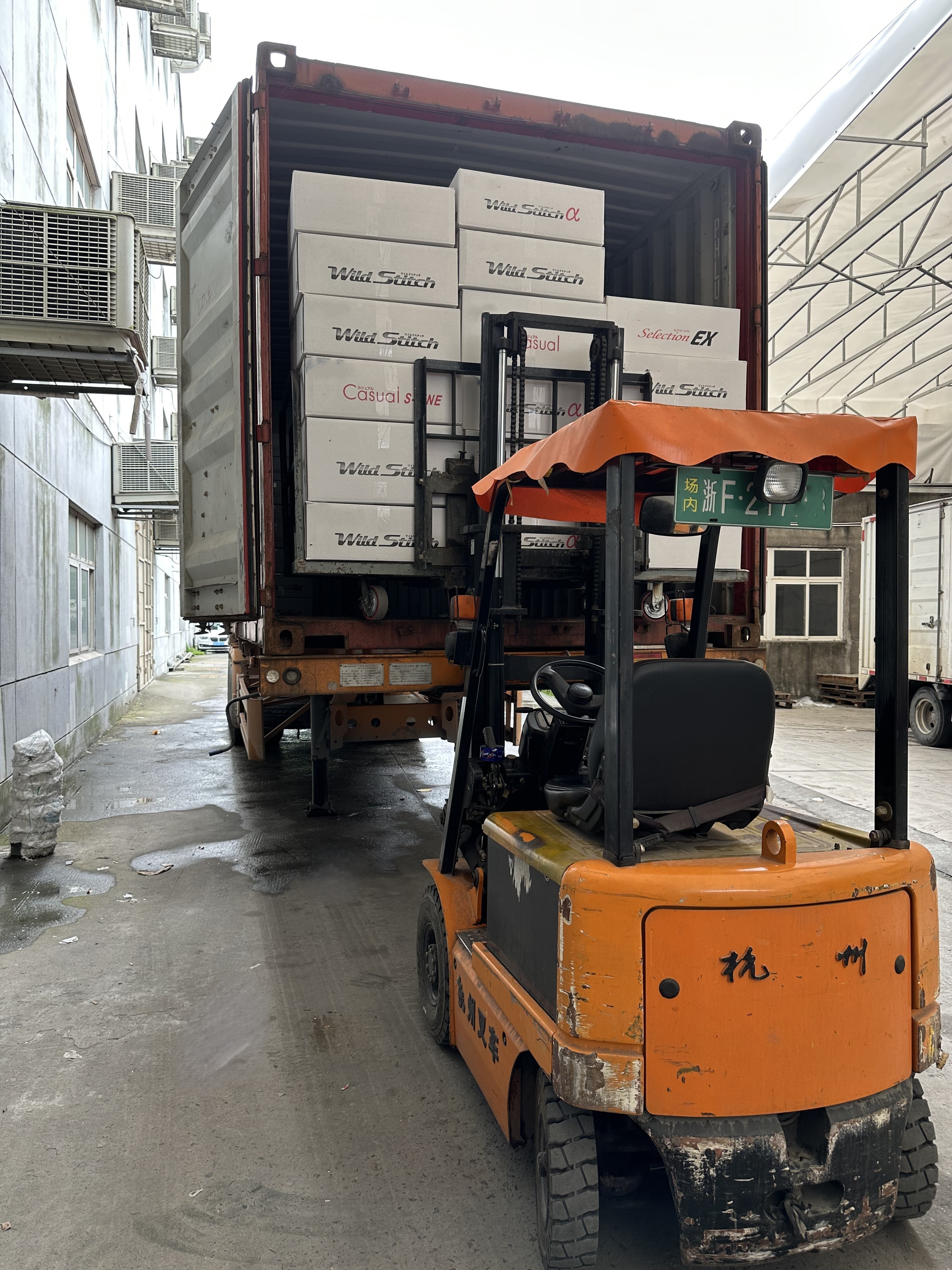
Bulk purchasing is not only about price. It is about reducing risk. A product that looks competitive at quotation stage can become expensive later if quality is inconsistent, production is unstable, or packaging causes complaints in destination markets.
Before placing a larger order for a PVC Car Seat Cover, I would ask the supplier these questions:
A serious supplier should answer these without hesitation. That is one reason established manufacturers stand out. They usually think beyond a single transaction and understand how the product performs after delivery.
Seat covers are simple only from a distance. Once you look closer, consistency becomes everything. Cutting accuracy, stitching quality, material choice, surface finish, comfort balance, and packaging discipline all affect the final result.
Zhejiang Tianmei Automobile Seat Cover Co., Ltd. is a name worth noticing here because buyers often prefer manufacturers that have stayed focused in one segment for years rather than suppliers chasing too many unrelated categories. A company with long-term concentration in seat cover production is generally better positioned to understand repeat-market expectations, model compatibility, and product refinement.
For buyers, experience matters because it usually means:
That matters whether the end customer is a retailer, a distributor, a trading company, or a vehicle owner comparing options online.
I see the same mistakes repeated again and again, especially when people rush the buying process.
A better buying process is slower at the beginning and smoother afterward. That is usually the smarter trade.
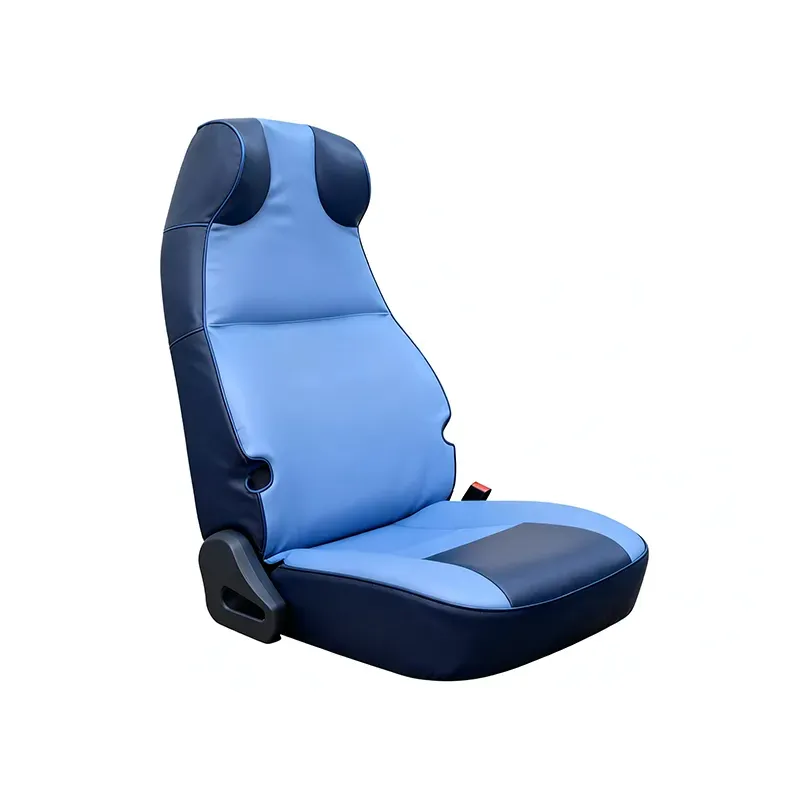
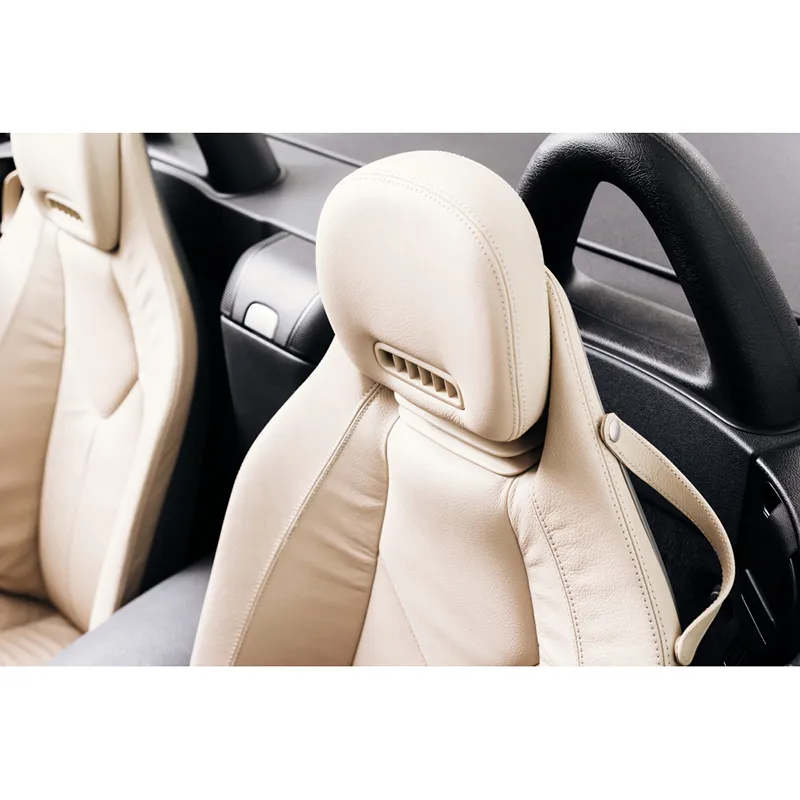
A vehicle interior affects how people feel every day, even when they stop noticing it consciously. A clean seat surface, easier maintenance routine, and better visual finish can make an old car feel more cared for and a new car feel better protected from the start.
That is why a good PVC Car Seat Cover should not be seen as a disposable accessory. It is a functional upgrade. It reduces cleaning stress after spills. It helps protect the value of the original seat. It can make heavily used vehicles look more presentable. And when the design is handled well, it also improves the visual tone of the cabin rather than making it look purely utilitarian.
For many buyers, that combination is exactly the point: practical protection with a cleaner look and less maintenance trouble.
Q1: Is a PVC Car Seat Cover suitable for daily commuting vehicles?
Yes. It is often chosen for exactly that reason because it helps resist daily wear, accidental spills, dust, and routine friction from frequent use.
Q2: Is PVC difficult to clean?
No. One of its strongest advantages is that routine cleaning is usually simple. For many buyers, easy maintenance is the main reason to choose this material.
Q3: Can it work for SUVs and other vehicle types?
Many designs are intended to suit a wide range of vehicles, but buyers should still confirm fit scope and installation details before purchasing.
Q4: Does PVC always feel uncomfortable in hot weather?
Not necessarily. Comfort depends on the full product structure, not just the top material. Better design and construction can improve sitting comfort significantly.
Q5: Is it a good option for wholesalers and distributors?
Yes, especially when the target market values easy cleaning, visible protection, and cost-effective performance. It has broad commercial appeal.
Q6: Why choose an experienced manufacturer instead of a trading-only supplier?
Because factory experience usually improves consistency, technical communication, and long-term order reliability. That reduces sourcing uncertainty.
Because many buyers are still looking for the same thing: dependable protection, easier cleaning, practical durability, and a better-looking interior without unnecessary complexity. A well-made PVC Car Seat Cover answers those needs directly. It protects against spills, abrasion, dust, and everyday mess while remaining commercially attractive for both individual buyers and bulk purchasers.
For businesses that want a sourcing partner with product focus and manufacturing experience, Zhejiang Tianmei Automobile Seat Cover Co., Ltd. offers a strong direction worth evaluating. If you are comparing suppliers, planning a bulk order, or searching for a more reliable seat protection solution for your market, now is a good time to contact us and discuss the right product option for your needs.