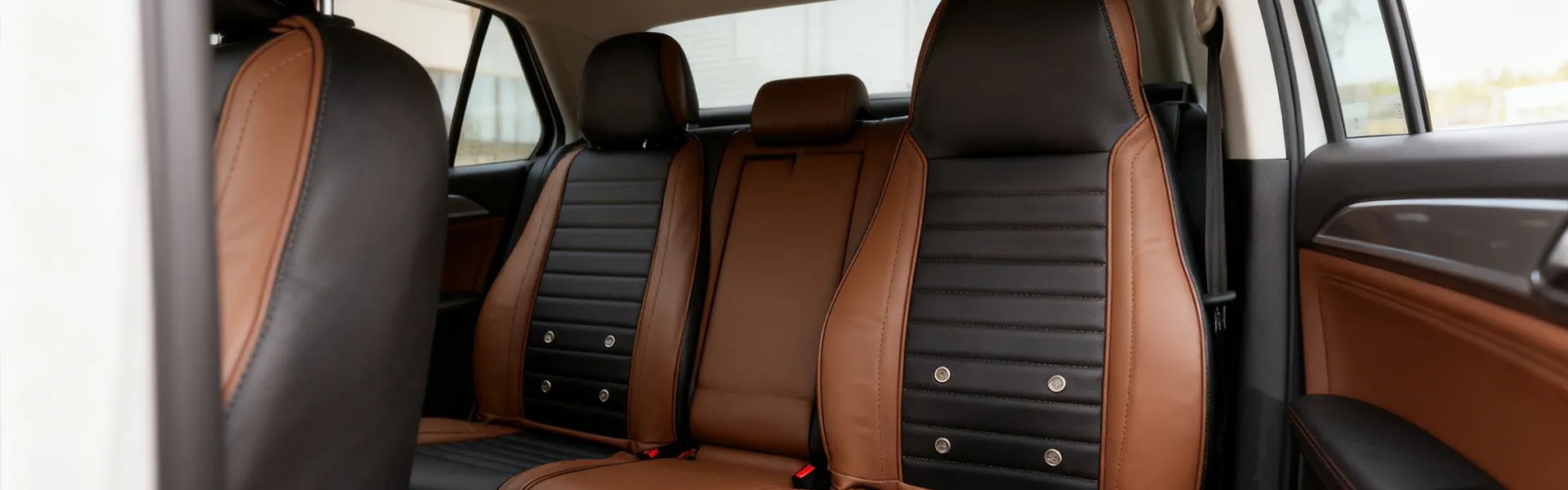
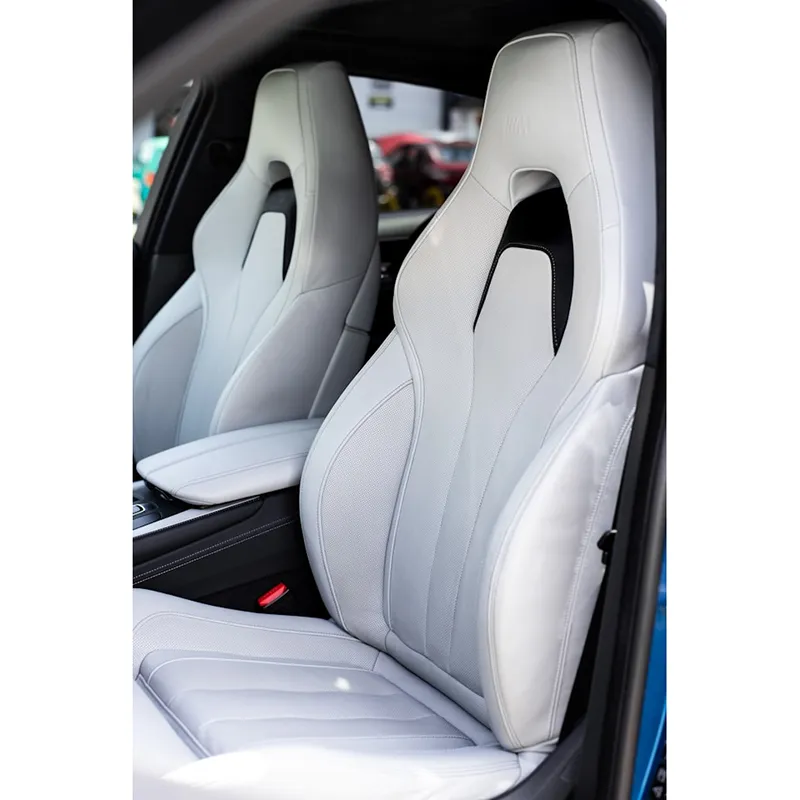
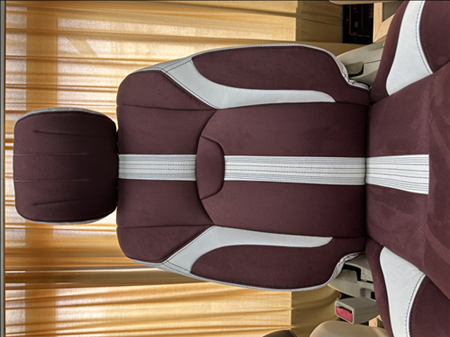
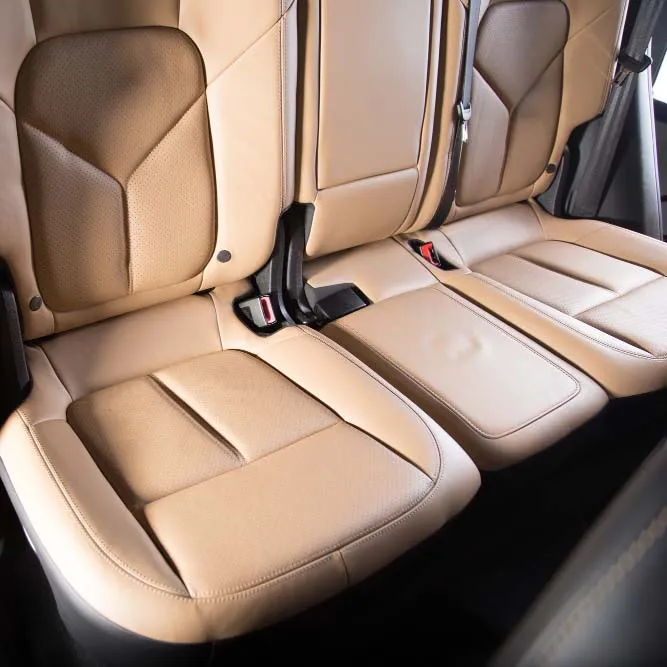
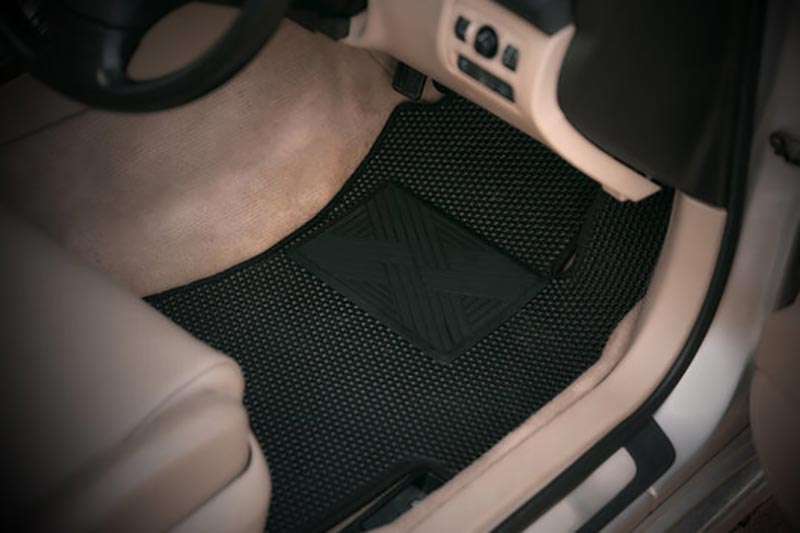
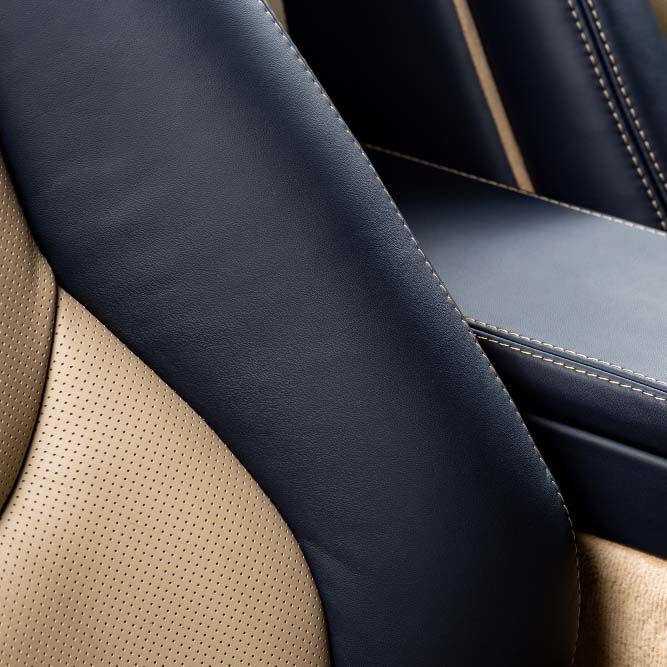
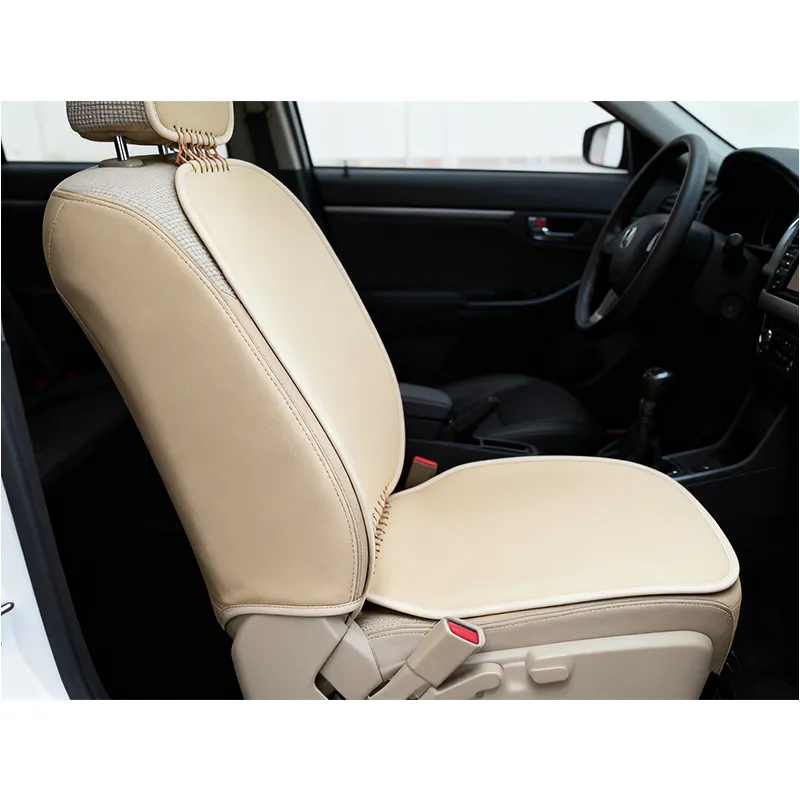
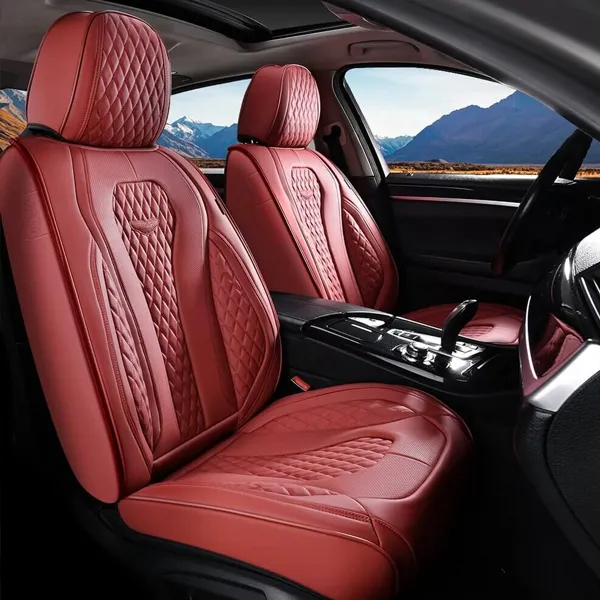
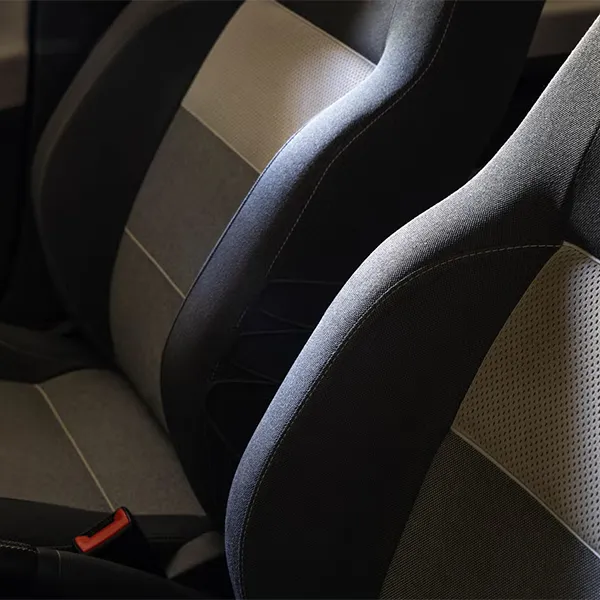
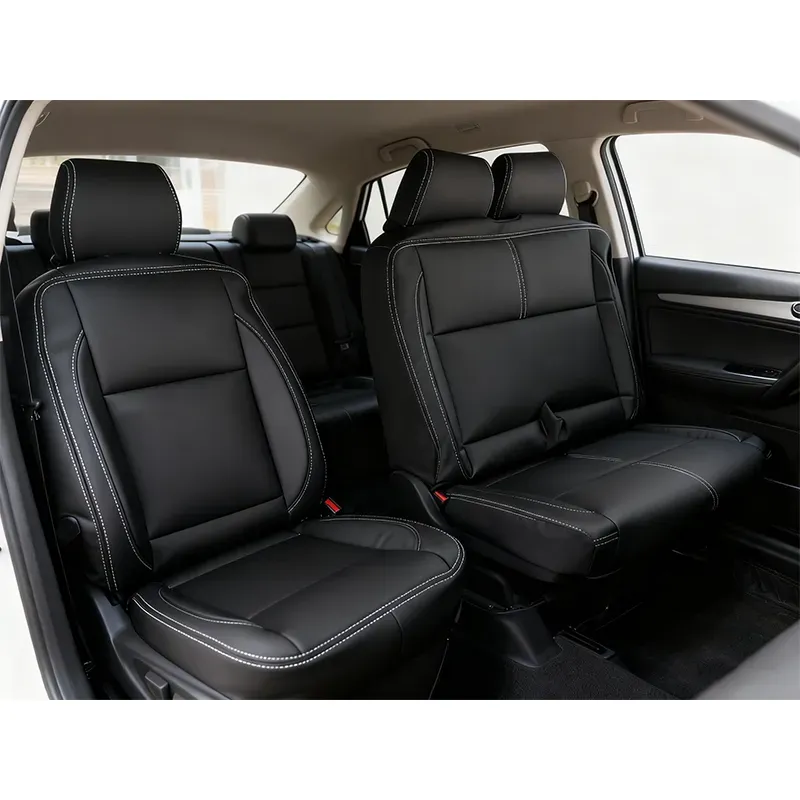
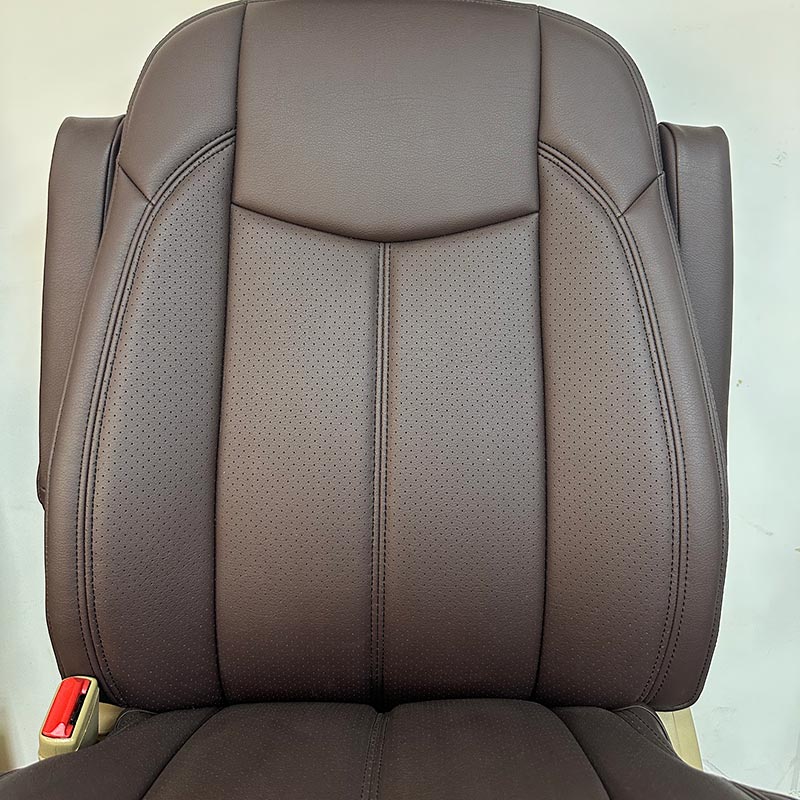
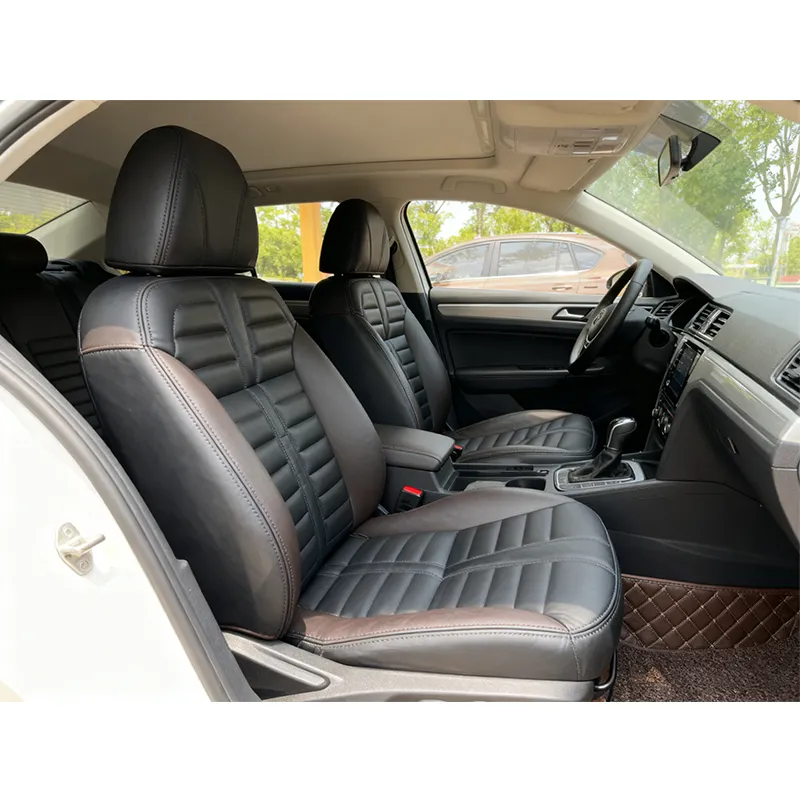
Natural and breathable linen seat covers have been selling well recently, but the industry is warning consumers to pay attention to product testing and compliance. It is understood that qualified linen seat covers must pass multiple tests, including formaldehyde content, heavy metal residue, and flame retardancy. Domestic products must comply with standards such as GB 18401 and GB/T 22846, while international products must meet requirements such as OEKO-TEX® 100 and REACH regulations. Testing data shows that 30% of low-priced products on the market still have problems such as substandard linen fiber content and excessive dye residue. Industry experts advise consumers to check testing reports when purchasing, focusing on key indicators such as formaldehyde content ≤75mg/kg and color fastness to rubbing ≥3, and prioritizing brands with CMA and CNAS certifications to avoid health risks from inferior products.
We use cookies to offer you a better browsing experience, analyze site traffic and personalize content. By using this site, you agree to our use of cookies. Privacy Policy