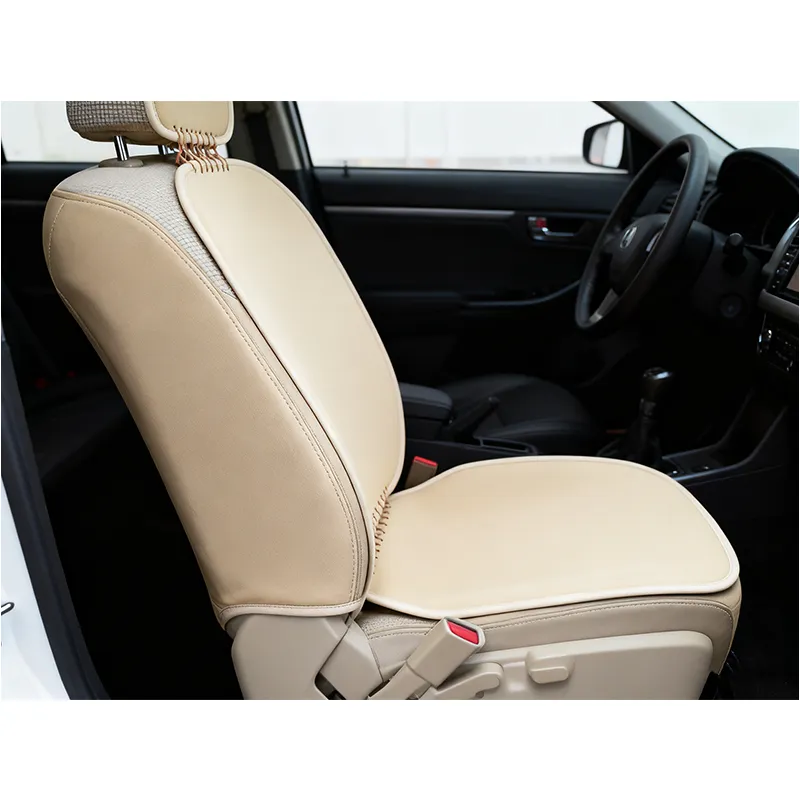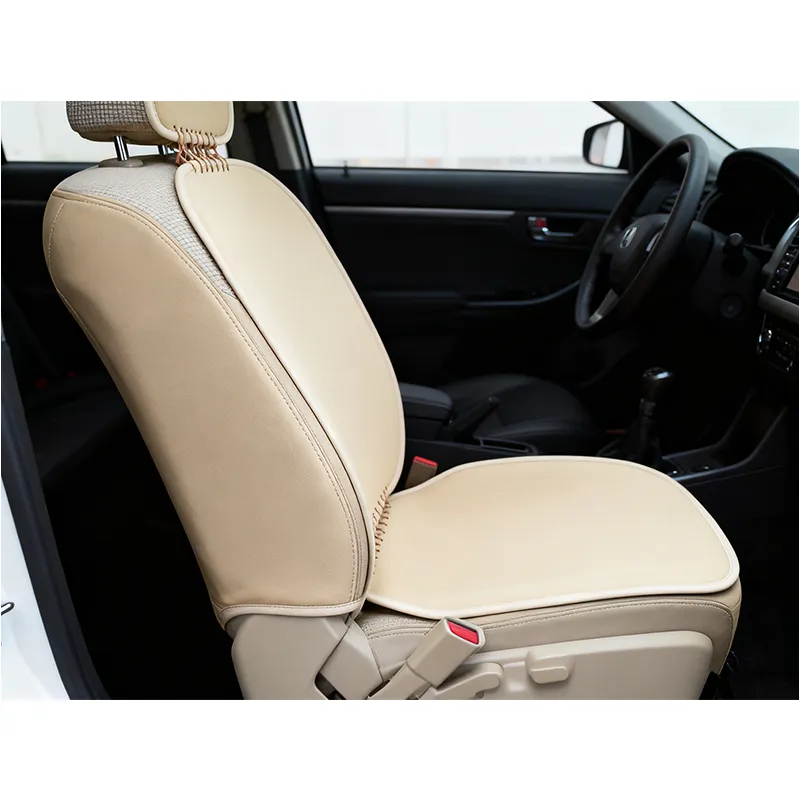
Article Summary: An automobile seat cover does more than improve the appearance of a vehicle. It helps protect original upholstery from spills, stains, friction, and everyday wear while making interior maintenance easier. Choosing the right material, fit, stitching, and safety features is essential for long-term performance. Tianmei offers customizable seat cover solutions for passenger cars, SUVs, MPVs, commercial vehicles, and automotive aftermarket businesses, helping buyers balance protection, comfort, appearance, and value.
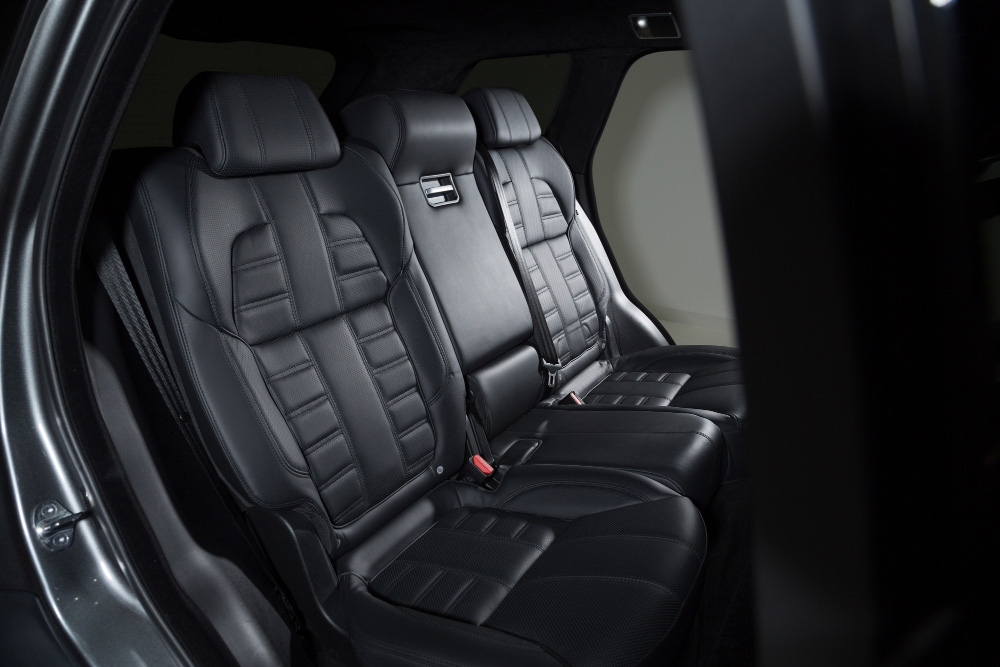
A vehicle's seats experience constant contact with passengers, clothing, bags, food, drinks, sunlight, and changing temperatures. Over time, these everyday conditions can cause discoloration, surface damage, stains, and premature wear. Replacing original upholstery can be expensive, making preventive protection a practical investment for many drivers.
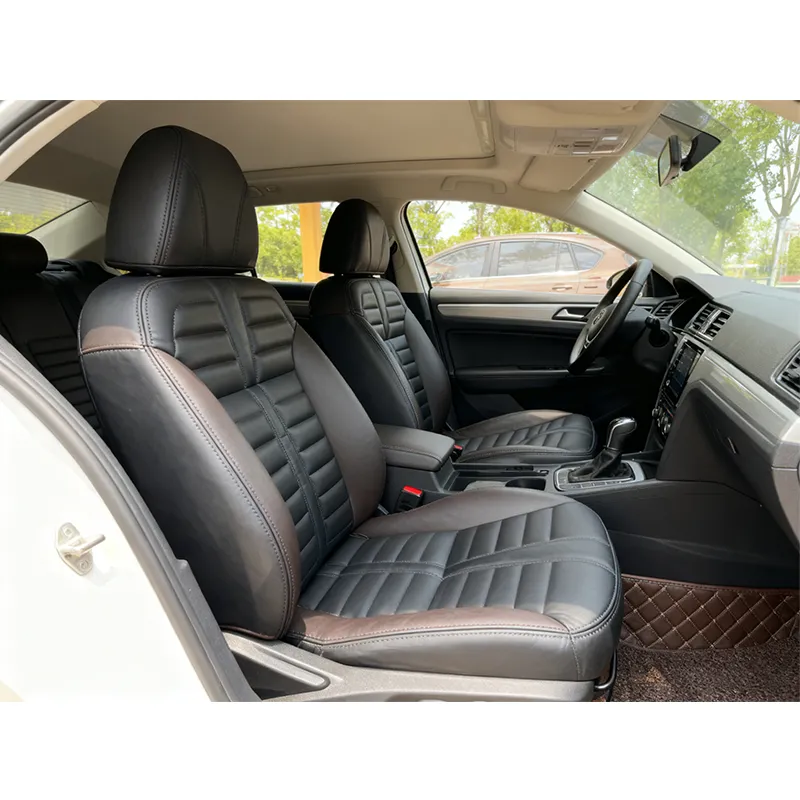
An automobile seat cover provides a protective layer between passengers and the original seat material. Depending on its construction, it can help resist liquid spills, reduce visible abrasion, simplify routine cleaning, and refresh the appearance of an aging interior.
Tianmei develops seat cover solutions for personal vehicles and commercial applications, offering options for different vehicle types, materials, colors, and purchasing requirements. Its product range includes waterproof seat covers designed to help prevent everyday spills and stains from reaching the original upholstery.
For families, ride-hailing operators, dealerships, and automotive accessory distributors, the right seat cover can support easier maintenance and a more consistent interior appearance. However, protection should never come at the expense of passenger comfort or vehicle safety.
Drinks, rainwater carried on clothing, food residue, and accidental spills can leave difficult marks on untreated upholstery. A water-resistant or waterproof seat cover helps reduce liquid penetration and makes many everyday messes easier to remove.
For vehicles used by families, delivery teams, taxi operators, or frequent travelers, this feature can be especially useful. Quick cleaning also helps prevent dirt and residue from accumulating during daily use.
Repeated entry and exit gradually wear down seat surfaces, particularly in high-use vehicles. Durable fabrics, reinforced seams, and carefully finished edges can help a cover withstand regular friction and reduce direct wear on the original seats.
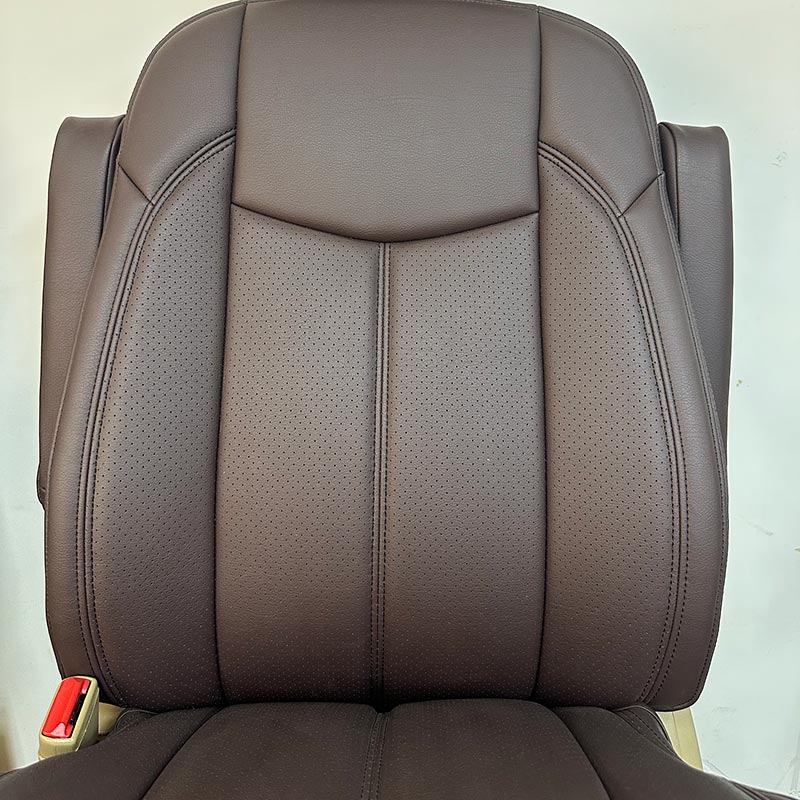
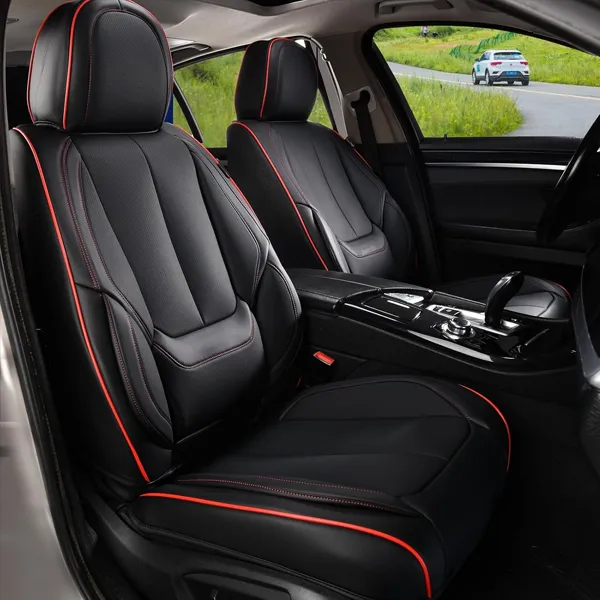
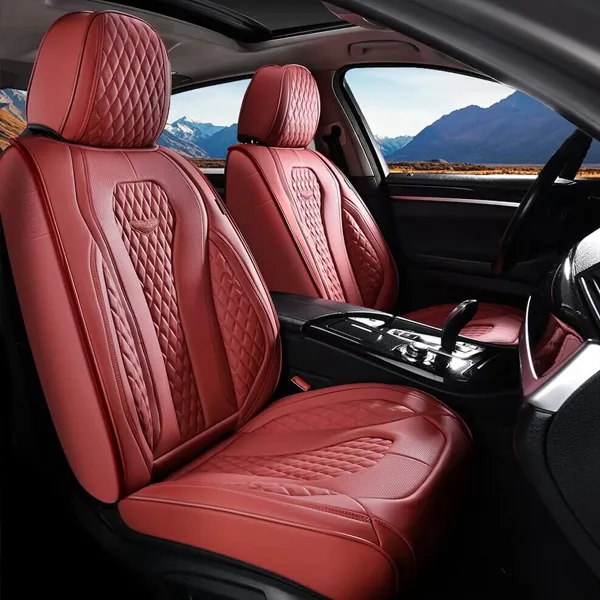
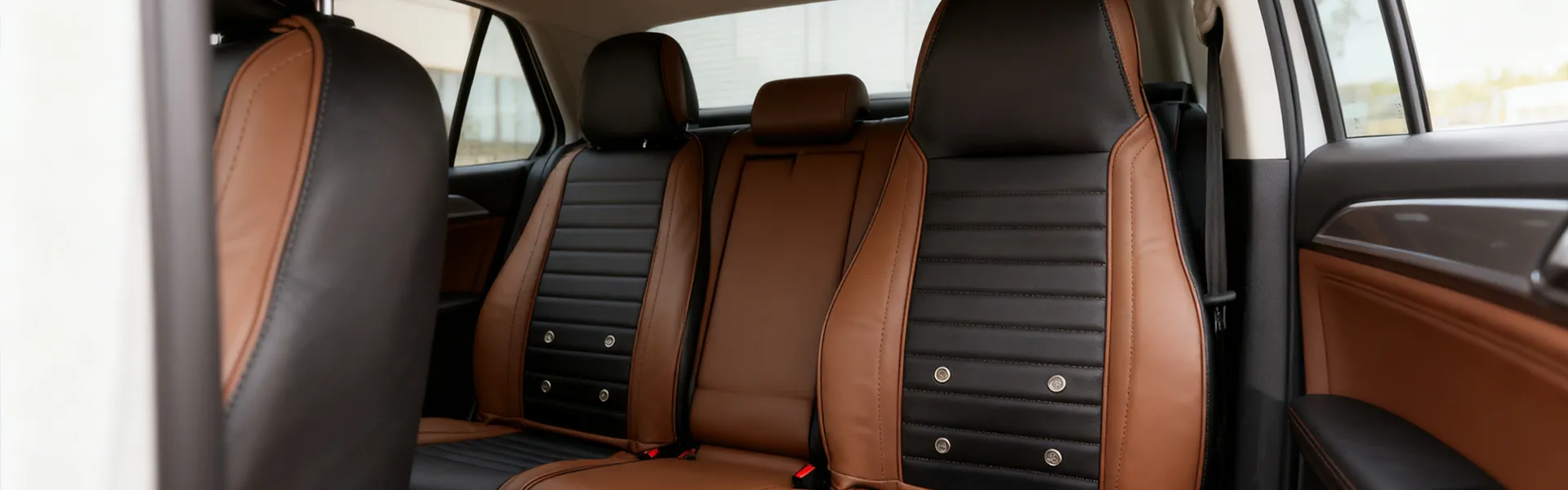
Seat covers provide a straightforward way to update a vehicle's appearance without replacing the entire seat assembly. Black, beige, brown, and other color options can complement different dashboard and door-panel designs.
Design details such as perforated surfaces, contrasting panels, and decorative stitching allow buyers to choose between understated styling and a more distinctive interior.
Many seat covers can be wiped clean with a damp cloth, while removable designs may allow more thorough cleaning according to the manufacturer's instructions. This is particularly valuable for commercial vehicles that need to remain presentable despite frequent passenger turnover.
Actual performance depends on the material, installation quality, maintenance routine, and conditions of use.
Material selection affects comfort, appearance, durability, cleaning requirements, and overall cost. There is no single material that performs best in every vehicle. Buyers should match the material to their climate, driving habits, budget, and intended application.
| Material | Main Advantages | Potential Considerations | Suitable Applications |
|---|---|---|---|
| Genuine Leather | Premium appearance, distinctive texture, and durable construction when properly maintained | Usually costs more and requires appropriate care | Premium sedans, SUVs, and executive vehicles |
| PU Leather | Easy surface cleaning, versatile styling, and resistance to many everyday spills | Quality and long-term wear resistance vary by construction | Family vehicles and contemporary interiors |
| PVC Leather | Practical cleaning, water resistance, and cost-effective styling | Breathability and temperature comfort depend on the specific design | Commercial vehicles, fleet cars, and daily driving |
| Breathable Fabric | Soft feel and a wide range of textures | May require more attention when removing liquid stains | Everyday passenger vehicles |
| Mesh Fabric | Air circulation and reduced heat buildup in suitable designs | May provide less liquid protection than waterproof materials | Warm climates and frequent driving |
| Oxford Fabric | Practical durability and resistance to abrasion in suitable constructions | Texture and comfort vary by fabric weight and finishing | Utility vehicles and demanding everyday use |
Tianmei offers multiple material options to meet different market requirements, including genuine leather, PU leather, PVC leather, breathable fabric, mesh fabric, and Oxford fabric. Buyers can explore the available automobile seat cover solutions to identify a suitable direction for their vehicles or product lines.
When comparing products, avoid relying on material names alone. Ask about surface construction, backing, seam strength, cleaning instructions, material specifications, and applicable safety requirements. These details often reveal more about practical performance than appearance alone.
A seat cover can use a durable material and still perform poorly if it does not fit the vehicle correctly. Loose sections may wrinkle, shift, or interfere with normal seat adjustments. Covers that are too tight may create installation difficulties or place unnecessary stress on seams.
Vehicle-specific designs are generally developed around the dimensions and contours of particular seats. Universal designs can offer broader compatibility, but buyers should confirm that the selected product suits the actual seat configuration.
Before purchasing, check the following details:
Tianmei supports model selection and customized sampling for different vehicle configurations. According to its product information, buyers can provide vehicle details or samples to help determine an appropriate solution.
For additional information about product options, visit the Tianmei official website.
A useful selection process starts with the vehicle's actual operating conditions rather than appearance alone. A family sedan, a frequently used ride-hailing vehicle, and a premium SUV may have very different priorities.
Decide whether your priority is spill protection, durability, improved comfort, a premium appearance, or economical replacement. A clear objective makes it easier to narrow down material and design choices.
Water-resistant surfaces may be suitable for vehicles exposed to frequent spills, while breathable materials can be preferable when ventilation and tactile comfort are important. In hot climates, consider how the surface feels after prolonged exposure to sunlight.
Examine stitching consistency, edge finishing, backing materials, fastening components, and the strength of high-stress areas. Ask for product samples where possible, especially when ordering for resale or fleet use.
Confirm the cover's suitability for the exact seat configuration. Never assume that a universal fit automatically means compatibility with side airbags, seat-mounted controls, or integrated safety systems.
The lowest purchase price does not always represent the best value. Consider expected service life, cleaning effort, replacement frequency, installation costs, and the consequences of poor fit.
For a structured evaluation, buyers can use this checklist:
Consistent maintenance helps preserve the appearance and usability of an automobile seat cover. The appropriate method depends on its material and construction, so always follow the supplier's care instructions.
Some removable covers may be machine-washable, but this should never be assumed. For example, Tianmei's published cleaning guidance recommends gentle cold-water washing for eligible removable covers, using mild detergent and avoiding bleach or soaking. Other products may require surface cleaning only.
Correct installation and routine inspection are particularly important around airbag deployment areas. If a cover shifts, tears, or obstructs a seat function, stop using it until the problem has been resolved.
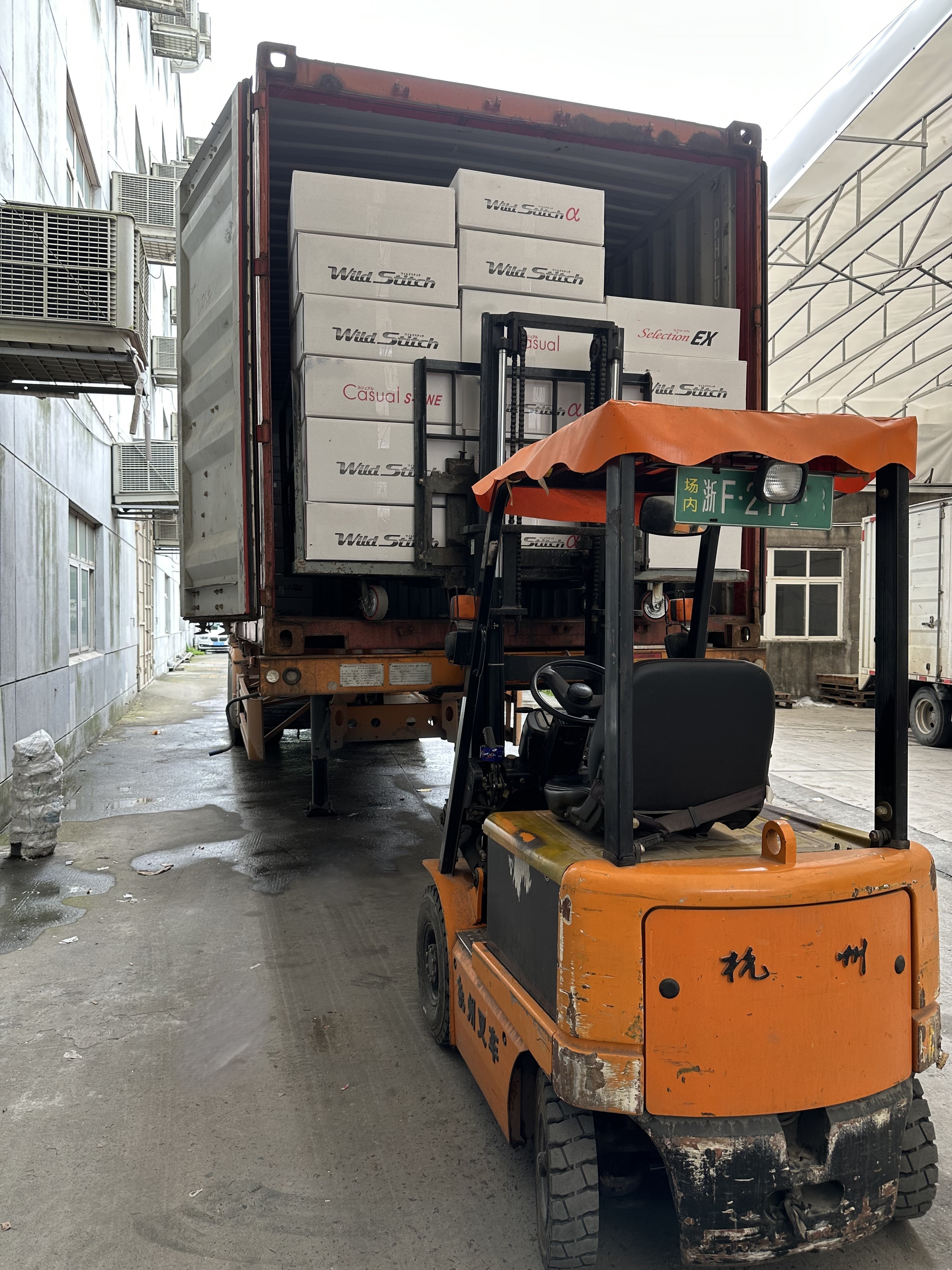
For distributors, retailers, automotive accessory brands, and fleet operators, purchasing an automobile seat cover involves more than choosing a finished product. Consistent specifications, reliable production, model coverage, and clear communication can affect customer satisfaction and inventory management.
Before selecting a manufacturing partner, evaluate these factors:
Tianmei has focused on automotive seat covers and interior products since 2002. Its published company information describes a factory covering more than 16,000 square meters, experienced production personnel, and equipment for precision cutting and sewing. The company also offers customization and sampling services for business buyers.
These capabilities can be relevant when evaluating a supplier, but buyers should still confirm current specifications, production schedules, minimum order quantities, and commercial terms directly with the manufacturer.
To review available product categories, visit Tianmei's automobile seat cover page or explore its company website for further information.
An automobile seat cover helps protect original upholstery from everyday stains, spills, friction, and visible wear. It can also refresh the interior's appearance and make routine cleaning easier. The level of protection depends on the material and construction.
PVC leather and suitable PU leather or specially treated fabrics are common choices for water-resistant seat protection. Performance varies by product, so confirm the manufacturer's waterproof specifications and cleaning recommendations before purchasing.
Not every cover fits every vehicle. Compatibility depends on seat dimensions, headrest design, armrests, rear-seat configuration, and built-in functions. Provide the vehicle make, model, year, and seat details when requesting a recommendation or custom design.
Yes, an incompatible cover may obstruct airbag deployment. Choose a cover specifically designed and verified for the vehicle's seat-mounted airbag system. Follow the vehicle and cover manufacturers' instructions, and never modify seams or openings intended for safety systems.
Many surfaces can be cleaned with a damp cloth and a suitable mild cleaner. Removable covers may have additional washing options, but only when explicitly permitted by the manufacturer. Avoid harsh chemicals, abrasive cleaning tools, and unsuitable heat treatments.
Tianmei offers customization and sampling services for different vehicle models and market requirements. Buyers can provide vehicle information, design preferences, or a reference sample to discuss suitable options. Contact the company to confirm availability and the expected sampling schedule.
Yes. Tianmei states that it supports bulk customization and in-stock supply. Wholesale buyers should confirm the minimum order quantity, available materials, production lead time, packaging, shipping terms, and quality requirements before placing an order.
Visit the product page or use the company's contact details to submit your inquiry. Include your target vehicle models, preferred materials, estimated order quantity, customization requirements, and destination market to help the team prepare a relevant response.
Choosing the right automobile seat cover is a practical way to protect vehicle upholstery, simplify maintenance, and create a more attractive driving environment. The best option depends on material performance, fit, comfort, installation safety, and long-term value rather than appearance or price alone.
Whether you are upgrading a personal vehicle, equipping a commercial fleet, or sourcing products for an automotive accessories business, careful product evaluation helps reduce compatibility problems and improve customer satisfaction. Tianmei offers a range of seat cover materials and customization services to support different vehicle applications and purchasing needs.
Looking for a reliable automobile seat cover supplier for your next project? Explore Tianmei's product options, discuss your vehicle compatibility and customization requirements, and request a quotation tailored to your needs. Visit Tianmei's automobile seat cover product page or official website, and contact us today to discuss samples, bulk orders, OEM/ODM cooperation, and a suitable seat cover solution for your market.